Product Features
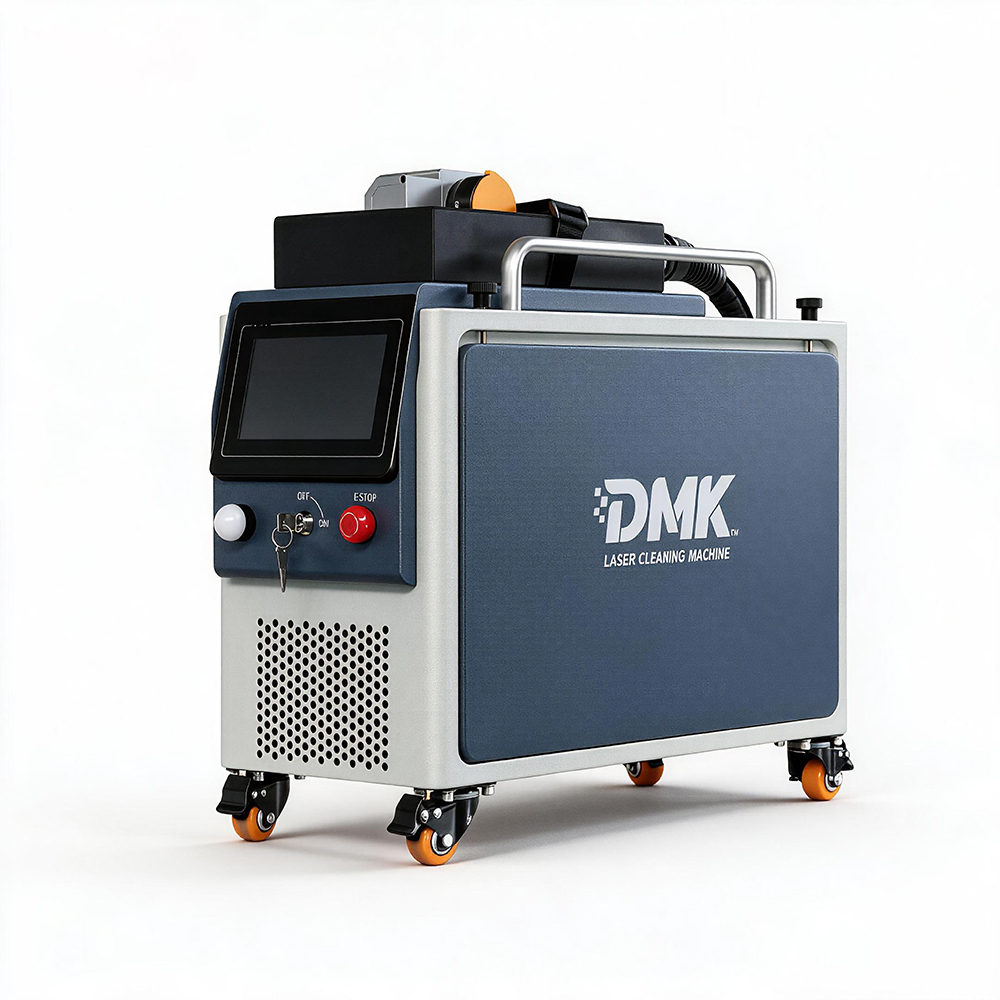
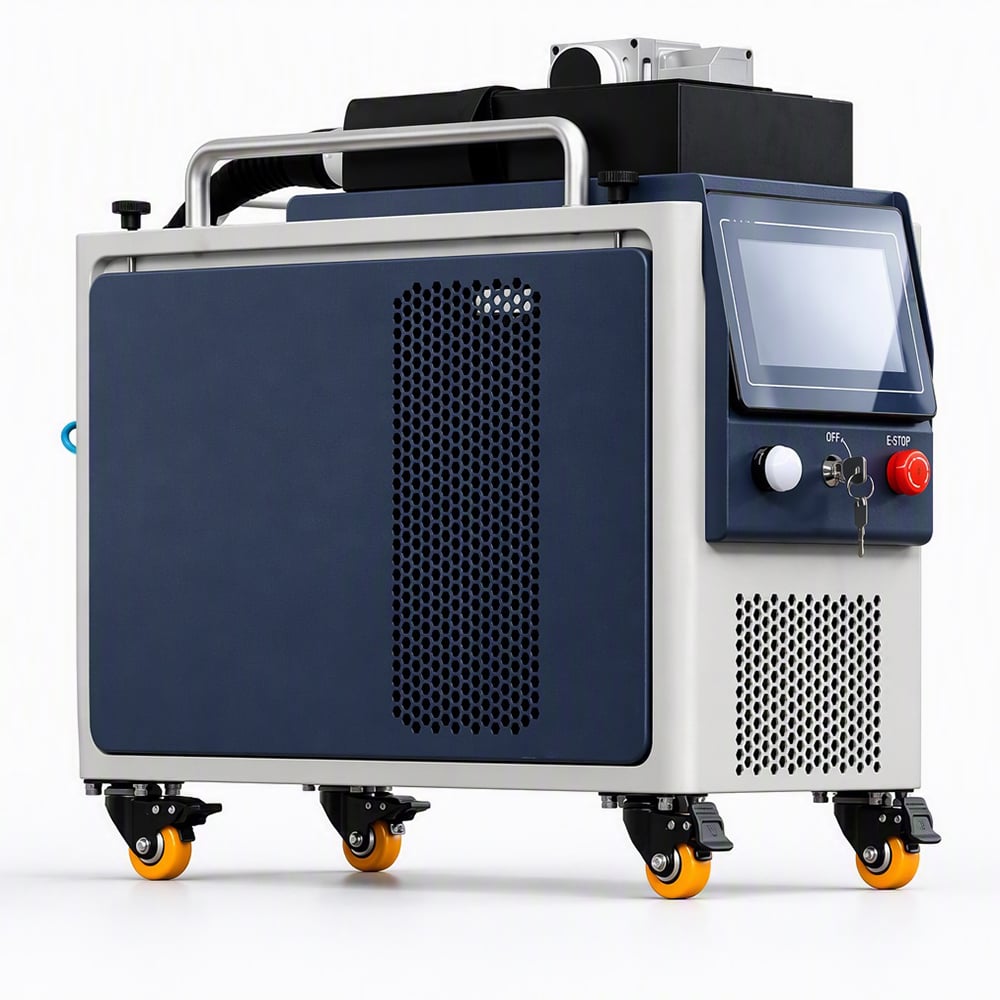
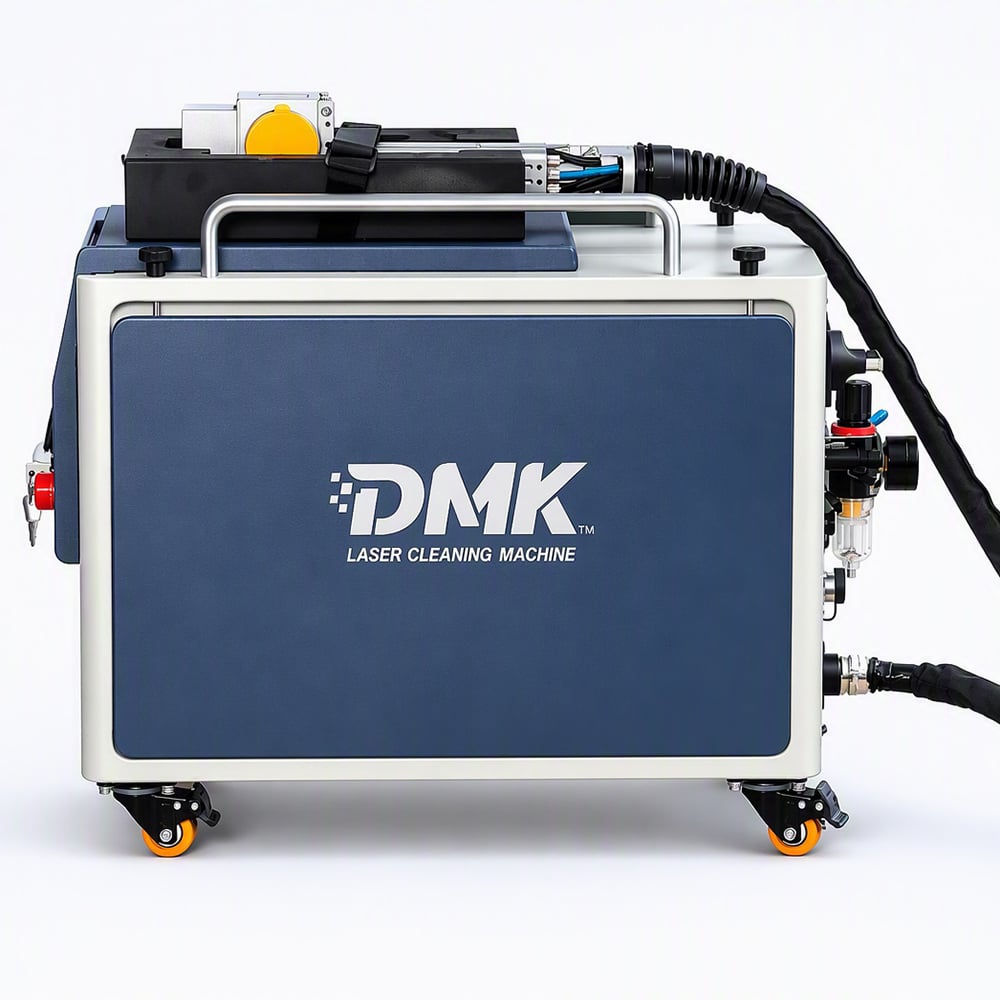
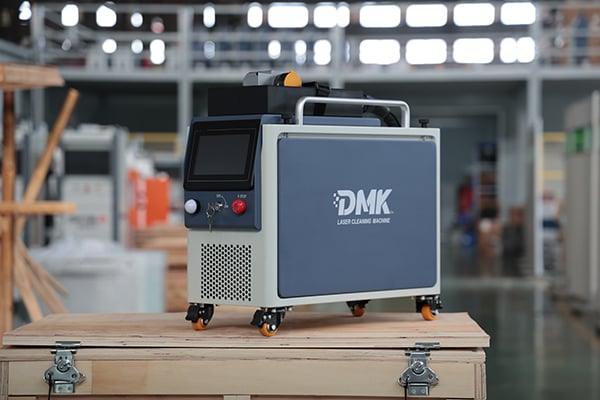
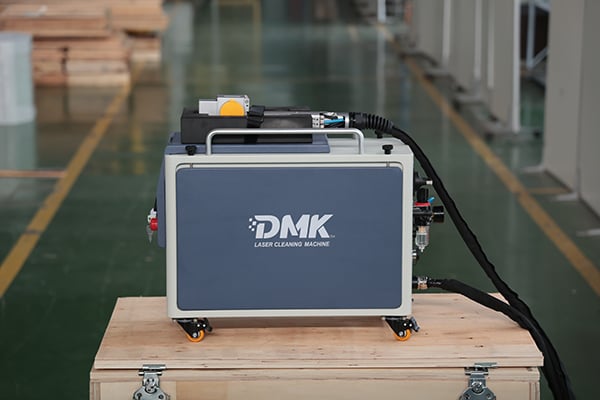
Developed over six months of dedicated R&D, the Wood Laser Cleaning Machine is systematically optimized for the heat-sensitive and heat-accumulation-prone nature of wood. Every element — from the light source and optical path to the process algorithm — is fully customized. It employs a wood-specific light source, a dedicated optical system, and targeted cleaning processes, paired with a self-developed control algorithm that fundamentally resolves industry pain points such as slow paint removal, easy burning, and excessive residue on wood surfaces.
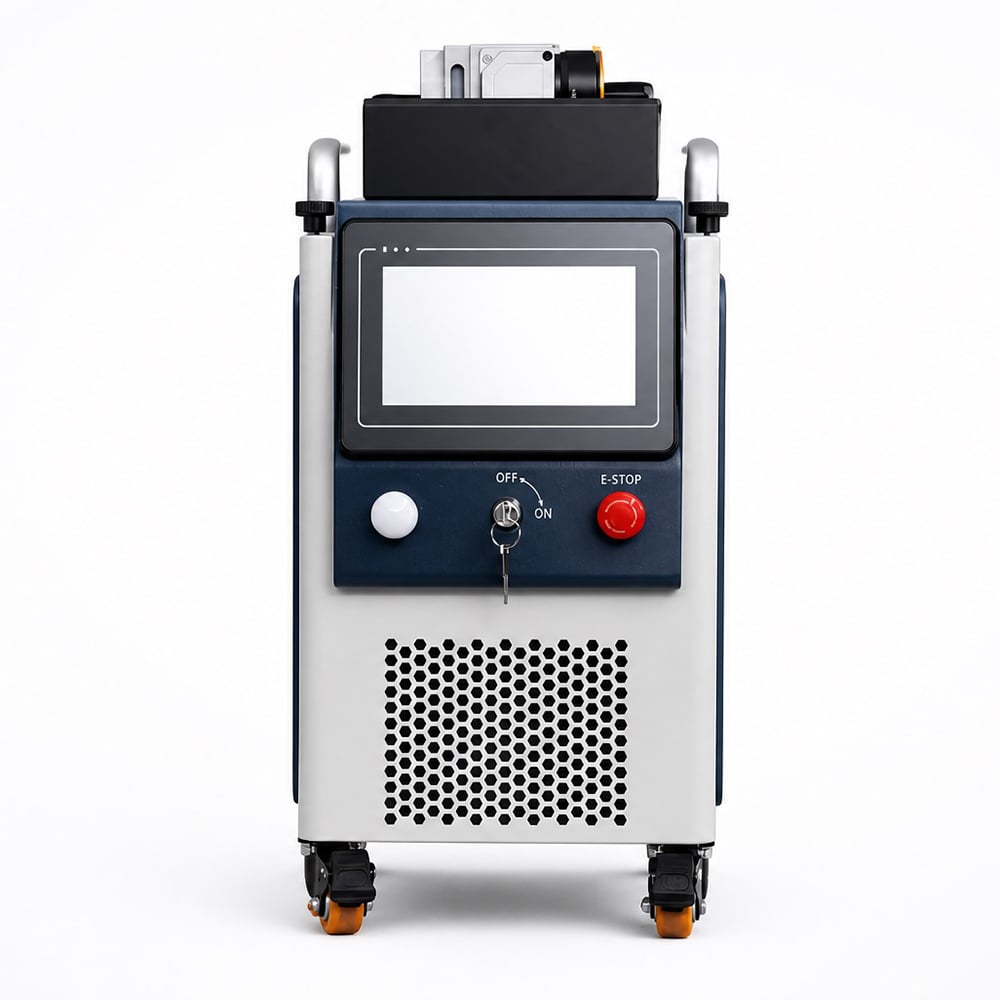
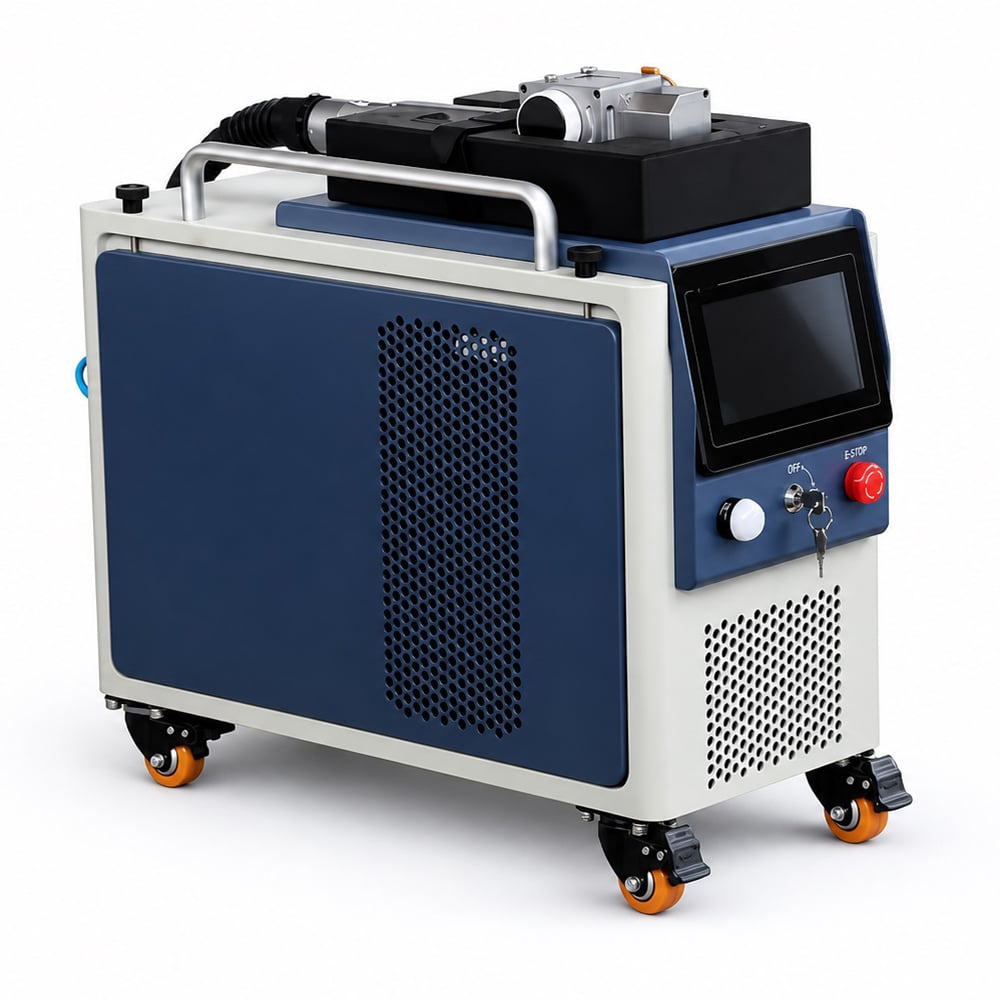
The machine uses an X-shaped scanning trajectory designed exclusively for wood cleaning, delivering more uniform coverage than conventional circular patterns and precisely controlling heat input to ensure no substrate burning even after repeated passes. The cleaning head weighs only 1.7 kg, minimizing fatigue during extended operation. It is equipped with dual red-light focusing indicators and a knob screen for intuitive operation and quick parameter adjustment.
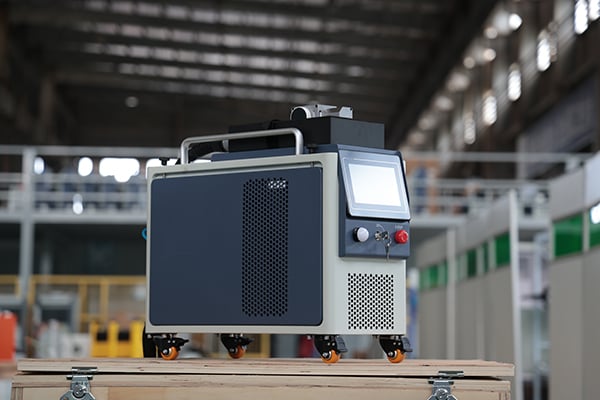
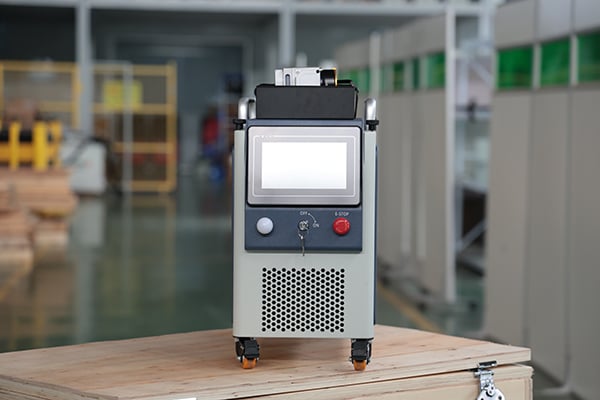
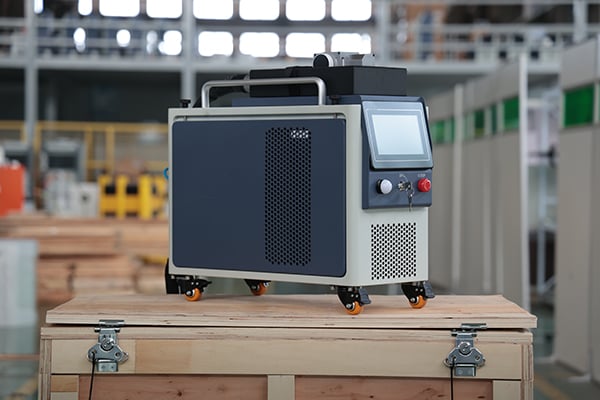
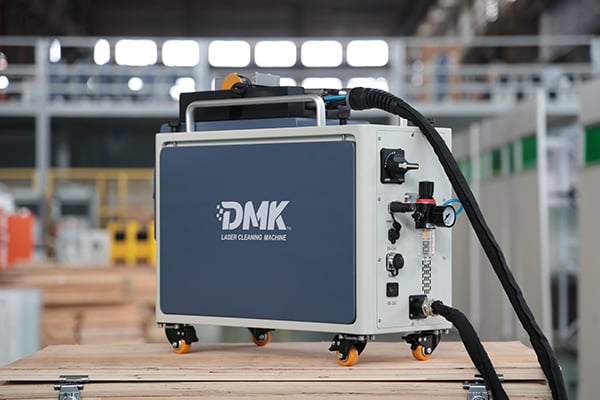
For safety and configuration, the machine comes standard with an integrated off-axis side air nozzle that effectively blows away debris and fumes while keeping the optical path clean. Multiple safety mechanisms include dual emergency stop buttons, triple enable protection, cover-open protection, and defocus laser shut-off. The field lens is available in F255 (standard) and F165 (optional) specifications; the F165 lens suits thicker paint layers and Class C/D deep rust, further extending cleaning capability.
Wood Cleaning Process
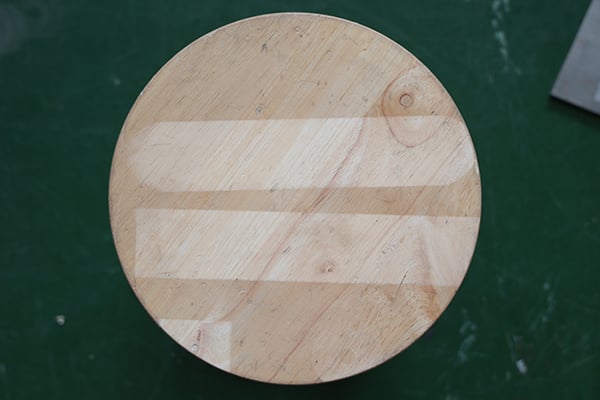
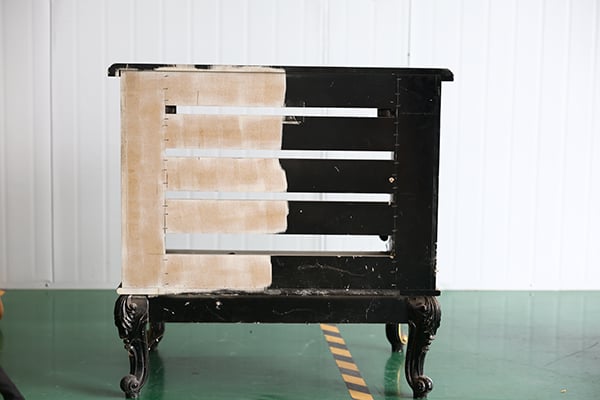
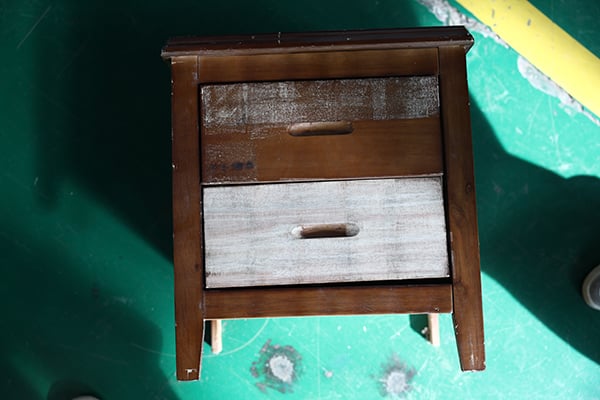
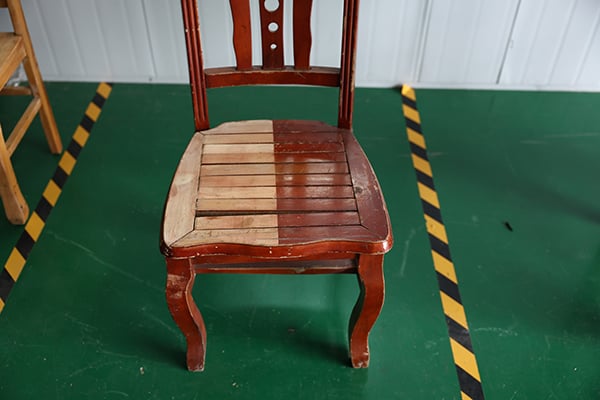
The machine effectively strips both one-component and two-component polyurethane and epoxy resin varnishes. One-component epoxy varnish cleaning efficiency is approximately 1.5 times that of conventional Gaussian-beam equipment. Two-component epoxy varnish forms a hard, wear-resistant film after curing, with extremely strong adhesion and low laser absorption due to its transparent surface — aggressive cleaning with conventional equipment causes heat accumulation that burns the wood. This machine, through optimized beam quality, pulse control, and scanning trajectory, achieves effective stripping with lower thermal effect and stronger removal capability.
For polyurethane varnishes, one-component types are easily cleaned. Two-component polyurethane varnish requires compressed air assistance: heat softens and lifts the paint film, while compressed air promptly cools the surface and blows away softened debris, ensuring cleaning effectiveness while preventing heat accumulation from burning the wood.
Two operational considerations should be noted. First, solid wood is easier to clean than plywood, as plywood adhesives are often resin-based and bond strongly with varnish, making stripping difficult. Second, wood density affects cleaning results: high-density woods such as sandalwood, ebony, teak, and oak accumulate heat slowly and have a high damage threshold, making them easier to clean; low-density woods such as pine, fir, and paulownia have more hollow structures and accumulate heat quickly, requiring careful control of laser dwell time.
Performance Parameters
| Parameter |
300W Wood Model |
500W Wood Model |
| Laser Power |
300W Pulsed |
500W Pulsed |
| Scanning Width |
1~200mm |
1~200mm |
| Cooling Method |
Air Cooling |
Air Cooling |
| Fiber Length |
5m |
5m |
| Cleaning Head Weight |
1.7kg |
1.7kg |
| Net Weight (Unit) |
35kg |
55kg |
| Cabinet Dimensions (L×W×H) |
535×358.5×470mm |
710×450×589mm |
| Supply Voltage |
AC220V±10% |
AC220V±10% |
| Power Consumption |
≤1500W |
≤3000W |
| Clear Varnish (50μm) m²/h |
1.4 |
1.6 |
| Colored Varnish (50μm) m²/h |
1.5 |
1.8 |
| Oil-Based Paint (150μm) m²/h |
0.6 |
0.8 |
| Deep Rust m²/h |
1.8 |
2.8 |
Prospects of Wood Laser Cleaning
Laser cleaning is a non-contact, non-chemical surface treatment method. Unlike traditional sanding, it does not damage wood surface grain; unlike chemical paint stripping, it does not penetrate the substrate and cause residual contamination. It offers high cleaning efficiency with no secondary pollution. As furniture coatings have shifted from nitrocellulose lacquer to polyurethane/epoxy resin systems, conventional cleaning methods can no longer meet the maintenance needs of modern wood products. Laser cleaning demonstrates tremendous market potential and technical advantages in cultural relic restoration, historic timber component preservation, residential renovation, and furniture refurbishment. Additionally, the machine supports general cleaning tasks such as metal rust removal, paint stripping, and degreasing — one machine serving multiple purposes with broad application prospects.

 EN
EN
 AR
AR CS
CS NL
NL FR
FR DE
DE IT
IT JA
JA KO
KO PL
PL PT
PT RU
RU ES
ES UK
UK TH
TH TR
TR