EN
EN
 AR
AR CS
CS NL
NL FR
FR DE
DE IT
IT JA
JA KO
KO PL
PL PT
PT RU
RU ES
ES UK
UK TH
TH TR
TR


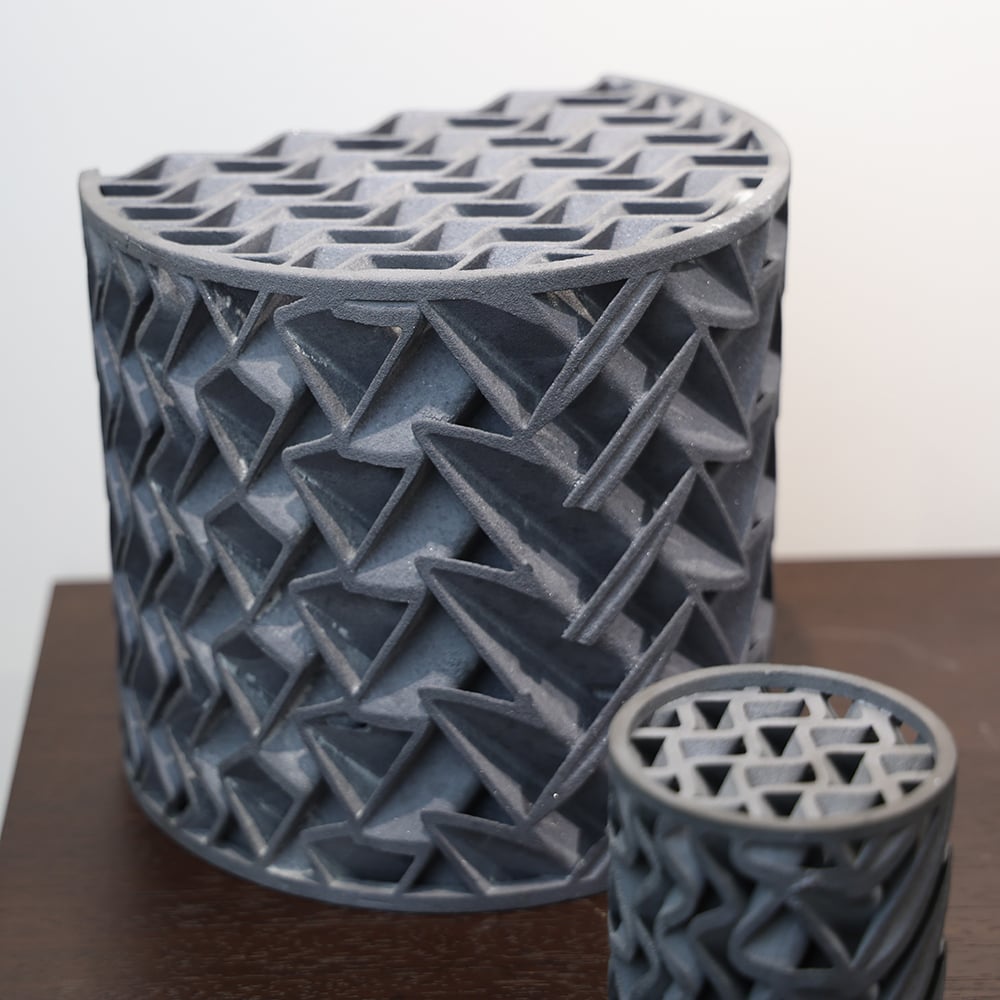
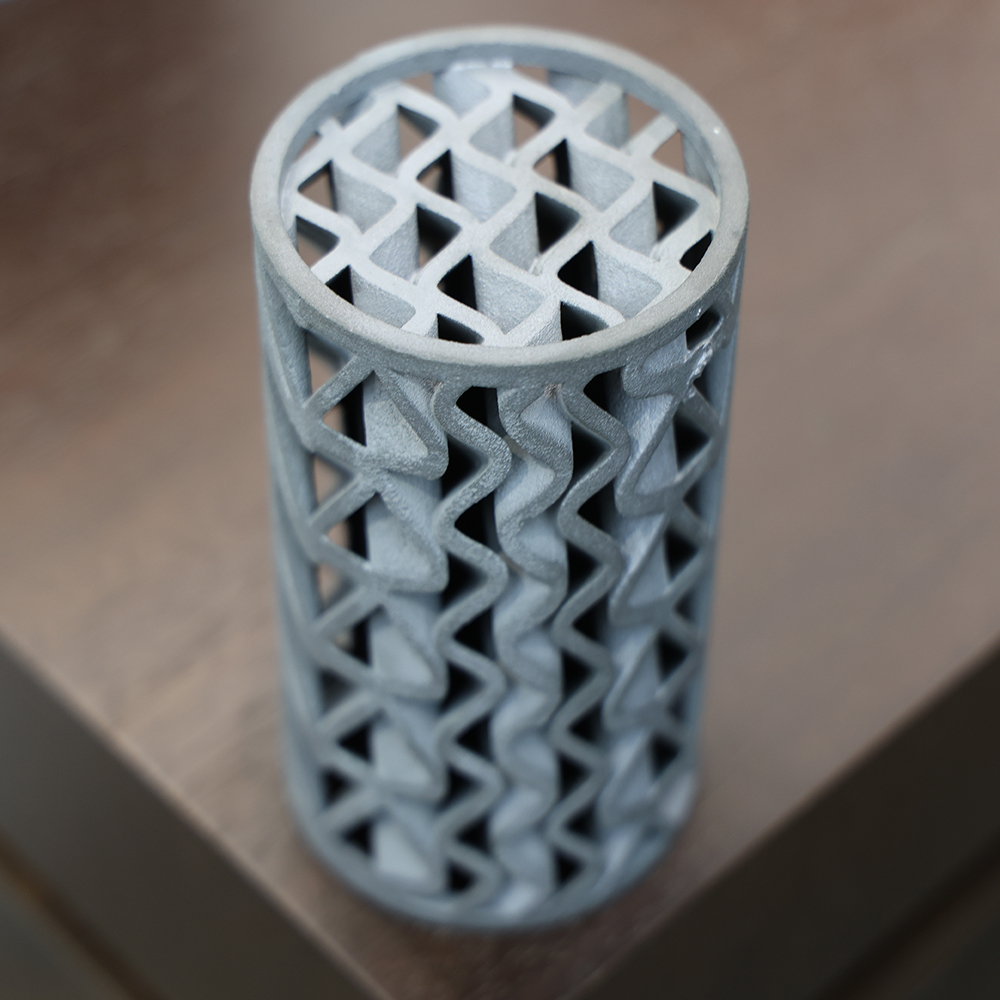
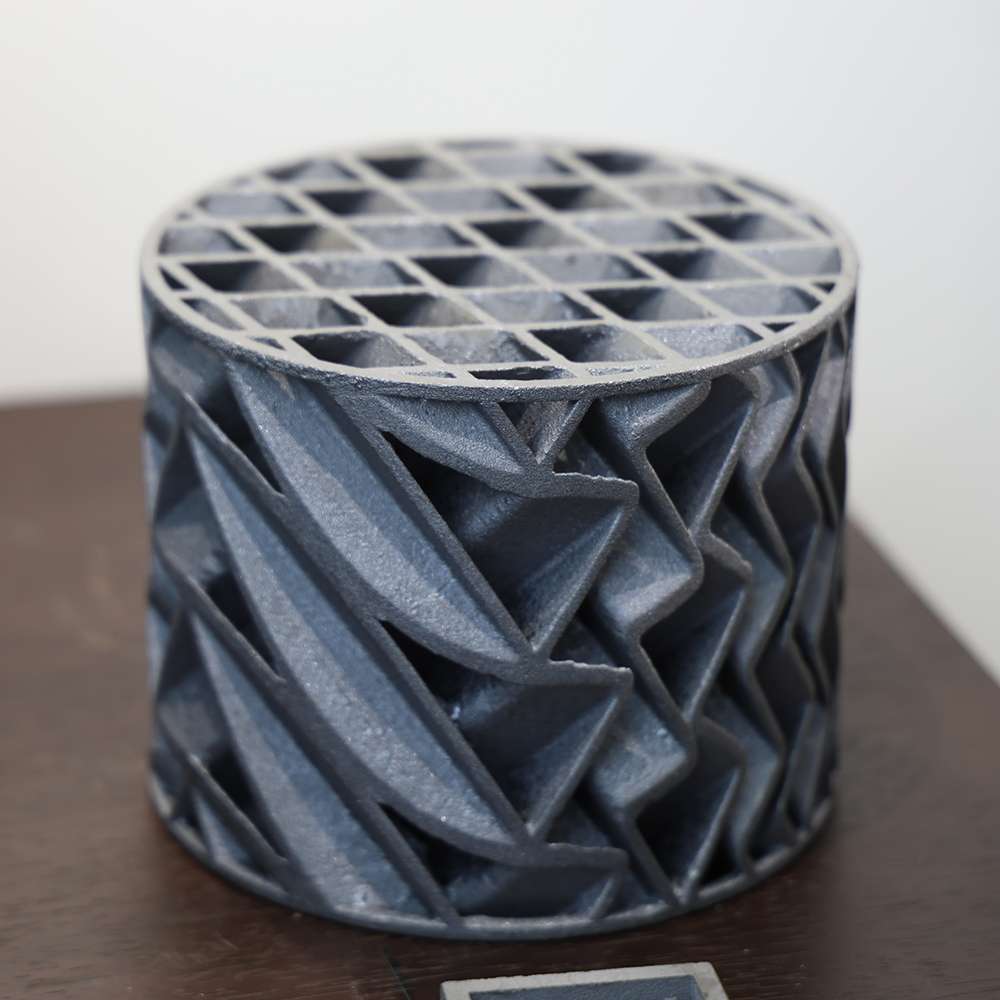
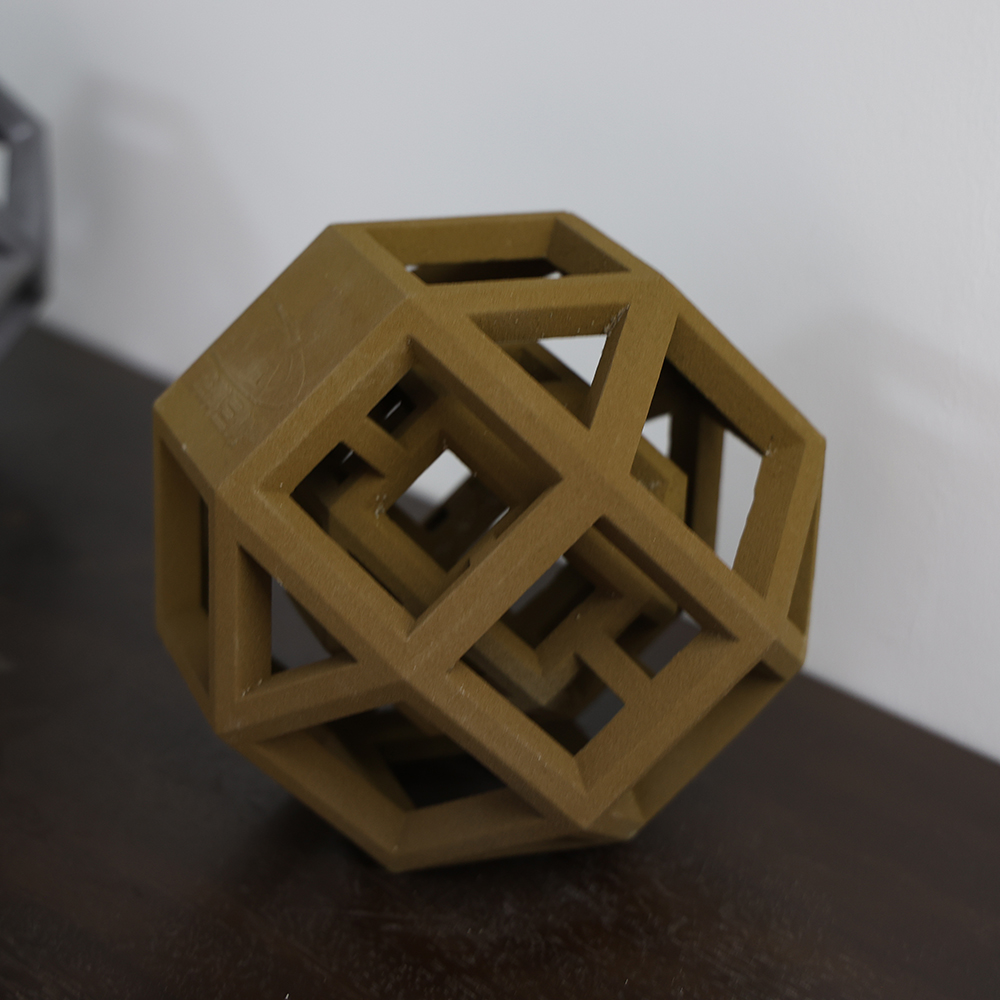
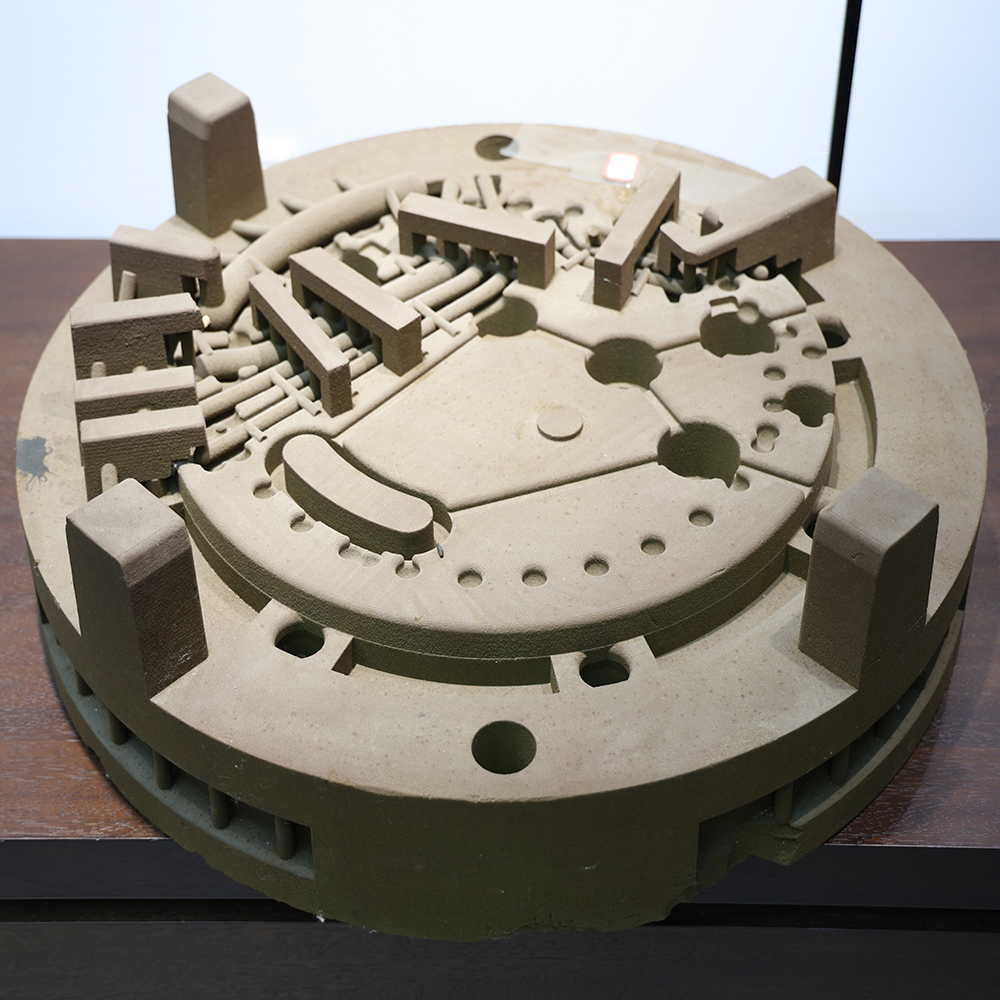
Selective Laser Melting (SLM) Metal 3D Printing Technical Training
Welcome to the Selective Laser Melting (SLM) metal powder‑bed 3D printing technical training course. Combining equipment principles, process essentials, operational specifications and safety operation & maintenance, this training aims to consolidate your foundational knowledge of SLM technologies, standardize equipment operation procedures, and help you avoid process defects and occupational safety risks. Below are the core training contents.
1. Applications of Metal Powder‑bed 3D Printing (SLM)
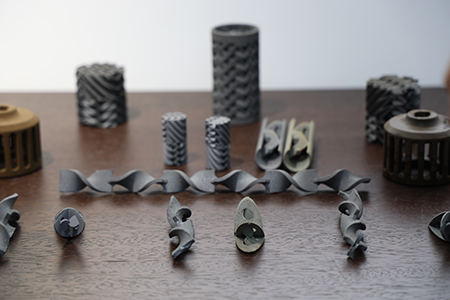
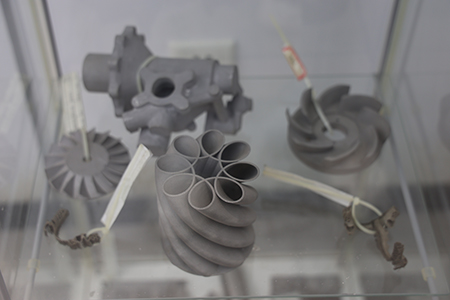
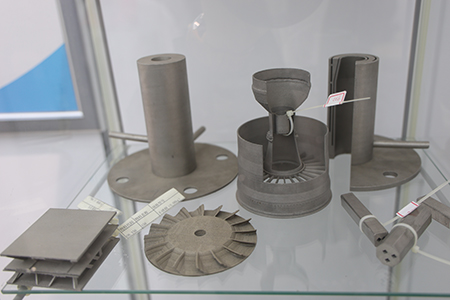
As a powder‑bed laser melting technology, SLM melts metal powders completely with laser under inert protective atmosphere to fabricate complex metal components with near‑full density. It addresses manufacturing challenges for integrated and lightweight structures which cannot be easily realized via conventional processing methods.
 |
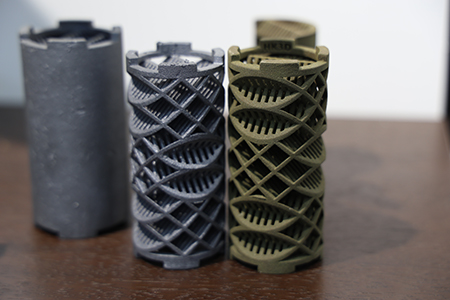 |
Main application scenarios:
- Aerospace: Titanium‑alloy and superalloy components such as engine casings, combustion chambers and lattice load‑bearing structures for integrated weight reduction.
- Mold Industry: Mold inserts with conformal cooling channels to shorten molding cycles and improve product yield.
- Scientific Research & High‑end Equipment: New‑material process specimens, complex flow‑channel parts and special‑shaped heat‑dissipation components.
Typical process capabilities: Forming accuracy ±0.1 mm (for L ≤ 100 mm); adjustable powder‑laying thickness ranging from 20 μm to 400 μm. Multi‑laser configuration significantly improves printing efficiency.
2. Key Points for SLM Metal Powder Preparation
Metal powder directly determines the quality of printed parts. Spherical metal powder produced by gas atomization is widely adopted for SLM. In this process, alloy base material is melted at high temperature; molten metal stream is shattered by high‑pressure inert gas and solidifies into spherical powder upon cooling.
 |
 |
Core specifications: Particle size 15‑53 μm; high sphericity and good flowability. Oxygen content and foreign impurities must be strictly controlled, as impurities may cause part defects and scraper collision failures.
Operational notes: Store powder under vacuum drying conditions. Recycled powder must be screened via explosion‑proof vibrating sieve and mixed with virgin powder in proper ratio before reuse. For reactive alloys such as titanium and aluminum, avoid prolonged exposure to ambient air.
3. Optical System of SLM Equipment
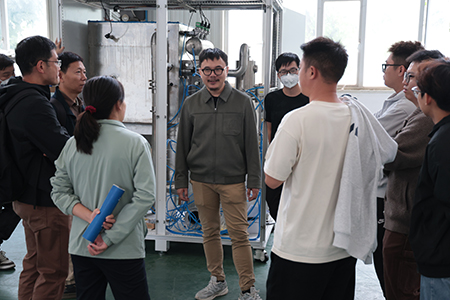
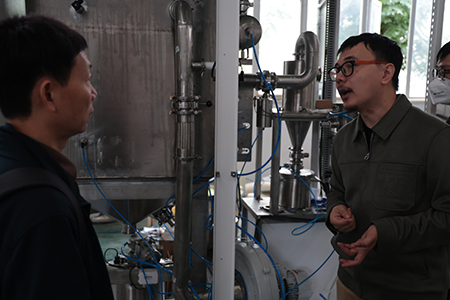
The optical system serves as the energy core of the equipment, consisting of fiber lasers, scanning galvanometers, field‑lens focusing assemblies, protective windows and a water‑cooling unit. Multi‑laser machines adopt multiple independent optical channels for parallel processing.
 |
 |
- Laser: Single‑mode fiber laser with minimum 500 W output power, wavelength of 1060 nm, continuously adjustable power from 10%‑100%, beam quality M² ≤ 1.1. Periodic power calibration is required.
- Scanning Galvanometer: Scanning speed ≥ 7 m/s. Calibrated accuracy can remain stable for more than three months. Avoid severe equipment vibration to prevent zero‑point offset of galvanometers.
- Optical Components: Quartz protective window is a consumable part for blocking fume and spatter inside the build chamber. Replace it immediately in case of ablation or contamination. Focal depth is adjustable within ±5 mm.
- Cooling Unit: Dual‑temperature dual‑control water‑cooling system with interlock protection for flow rate and temperature. The equipment will trigger automatic alarm and shutdown upon cooling abnormalities.
4. Gas System of SLM Equipment and Safety Requirements
The gas system maintains low‑oxygen atmosphere for printing and undertakes fume filtration and dust explosion‑proof functions, critical for process quality and operational safety.
 |
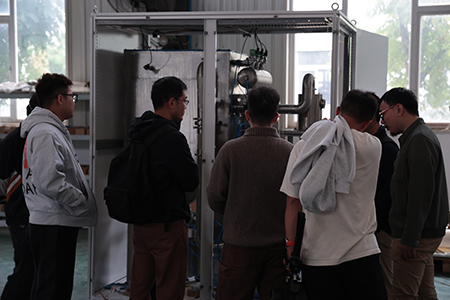 |
- Atmosphere Purification: Combine vacuum pumping and inert‑gas filling. Oxygen content inside the chamber can drop below 5000 ppm within 30 minutes. Oxygen level shall be controlled ≤ 100 ppm during processing, with automatic audio‑visual alarm for oxygen over‑limit. Never start printing before oxygen content reaches the standard.
- Dual‑layer Air‑blowing Flow: Upper and lower air outlets inside the chamber generate laminar flow to carry away fume and spatter, reducing lens contamination and molten‑pool oxidation risks.
- Filtration System: Three‑stage filtration combining cyclone separator and H13‑grade filter elements with service life ≥ 30000 hours. Support on‑line back‑blowing without shutdown. Passivate ash‑collecting bucket with passivating liquid during ash disposal to prevent dust spontaneous combustion. Differential pressure is monitored in real‑time; alarm will be triggered for filter blockage. Do not override alarms to force production.
5. Slicing and Equipment Control Software
The software suite comprises pre‑processing slicing software and equipment control system, with free permanent upgrade service.
- Pre‑processing Slicing Software: Supports STL import and on‑machine slicing. All process parameters are fully adjustable. Thickness‑check function prevents wrong process package selection. Batch processing for multiple parts is supported. Scanning path rotation ranges from 0°‑360° to mitigate internal stress of parts.
- Equipment Control System: Human‑machine interface is isolated from background control. Laser power and scanning speed can be adjusted in real‑time during printing with immediate effect. Key data such as layer count, processing duration and substrate temperature are displayed in real‑time. Built‑in fault self‑diagnosis and audio‑visual alarm functions. Single‑layer scanning delay cooling is available to relieve thermal‑accumulation‑induced deformation.
Training Tip: Keep records for any process‑parameter modification during hands‑on operation. Perform small‑sample verification before formal production.
6. Configuration and Operation of Auxiliary Equipment
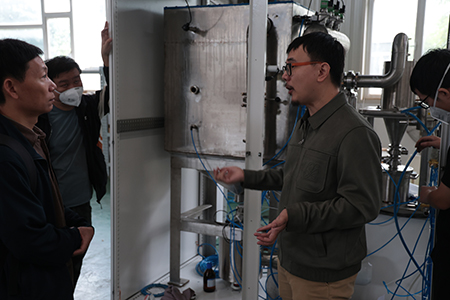
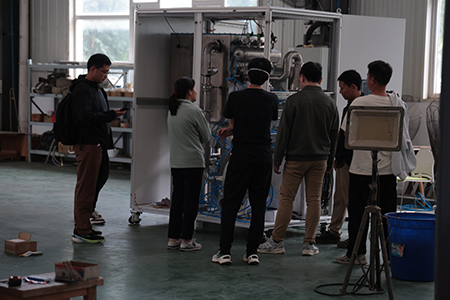
A complete SLM workstation shall be equipped with vacuum drying oven, explosion‑proof vibrating sieve and explosion‑proof vacuum cleaner. All auxiliary equipment must comply with explosion‑proof specifications.
 |
 |
| Equipment | Core Function | Operational Notes |
|---|---|---|
| Vacuum Drying Oven | Dry powder and substrate to avoid hydrogen‑induced porosity | Vacuum degree < 133 Pa; open chamber door only after full cooling |
| Explosion‑proof Vibrating Sieve | Screen virgin and recycled powder to remove slag | Equipped with anti‑clog ultrasonic device; screen reactive powder preferably under inert atmosphere |
| Explosion‑proof Vacuum Cleaner | Clean scattered metal powder | Explosion‑proof certification is mandatory. Ordinary vacuum cleaners are forbidden for metal‑dust handling. Ensure proper earthing for static dissipation. |
Training Summary & Safety Reminders
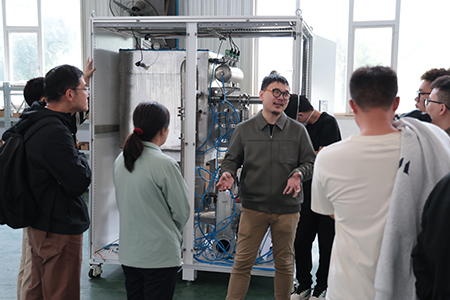
Dear Participants: SLM equipment involves laser hazards, combustible metal powder and inert shielding gas. Hands‑on operation is permitted only after completion of full safety training.
 |
 |
In daily inspection, pay close attention to optical cooling status, oxygen‑content monitoring, filter differential pressure, chamber‑door interlock and emergency‑stop button availability. Non‑explosion‑proof substitutes are prohibited for powder‑handling work. Keep complete processing records for process traceability and fault troubleshooting.