EN
 AR
 CS
 NL
 FR
 DE
 IT
 JA
 KO
 PL
 PT
 RU
 ES
 UK
 TH
 TR


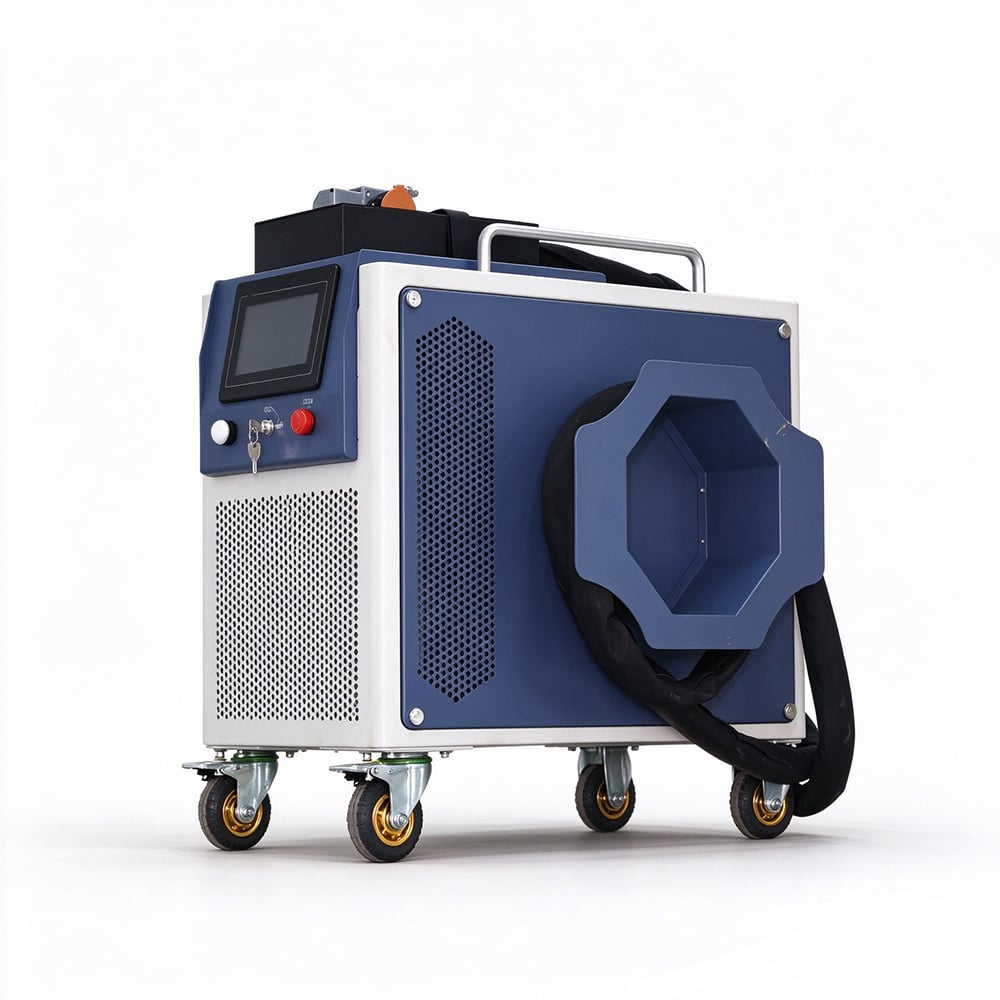
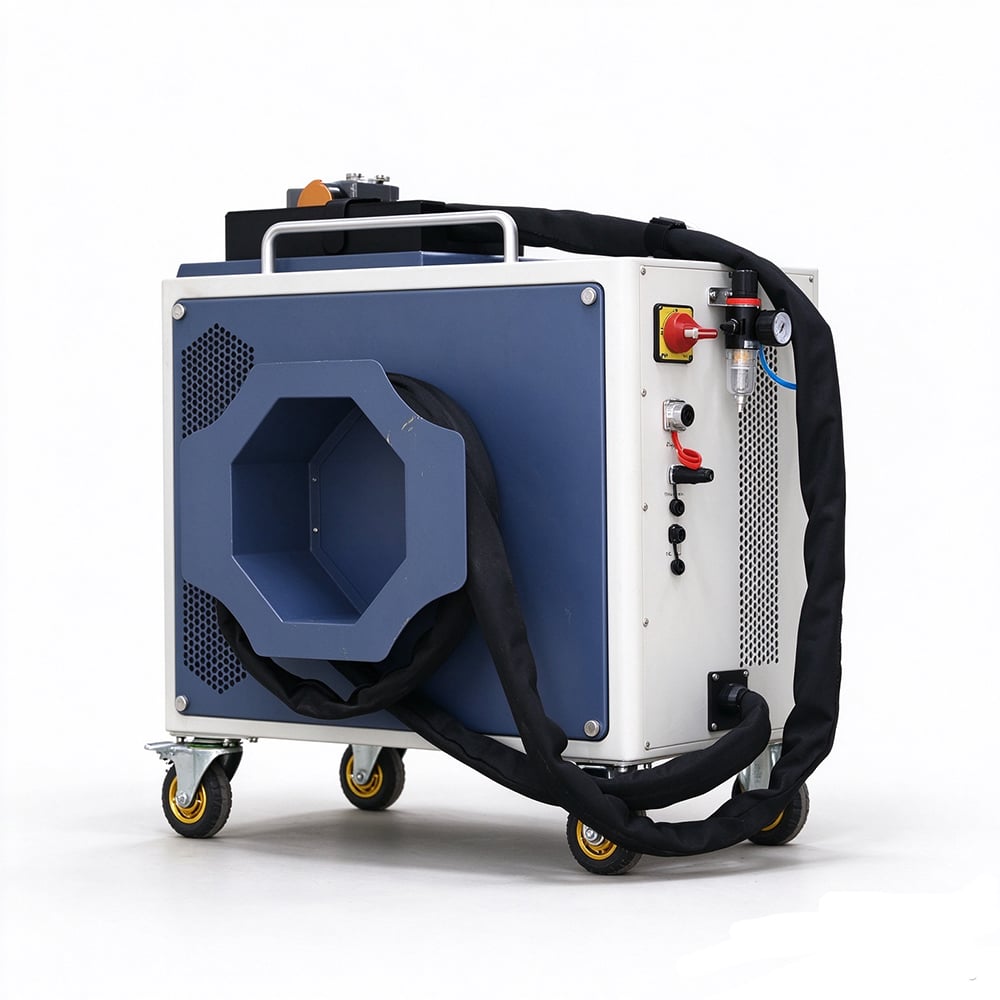
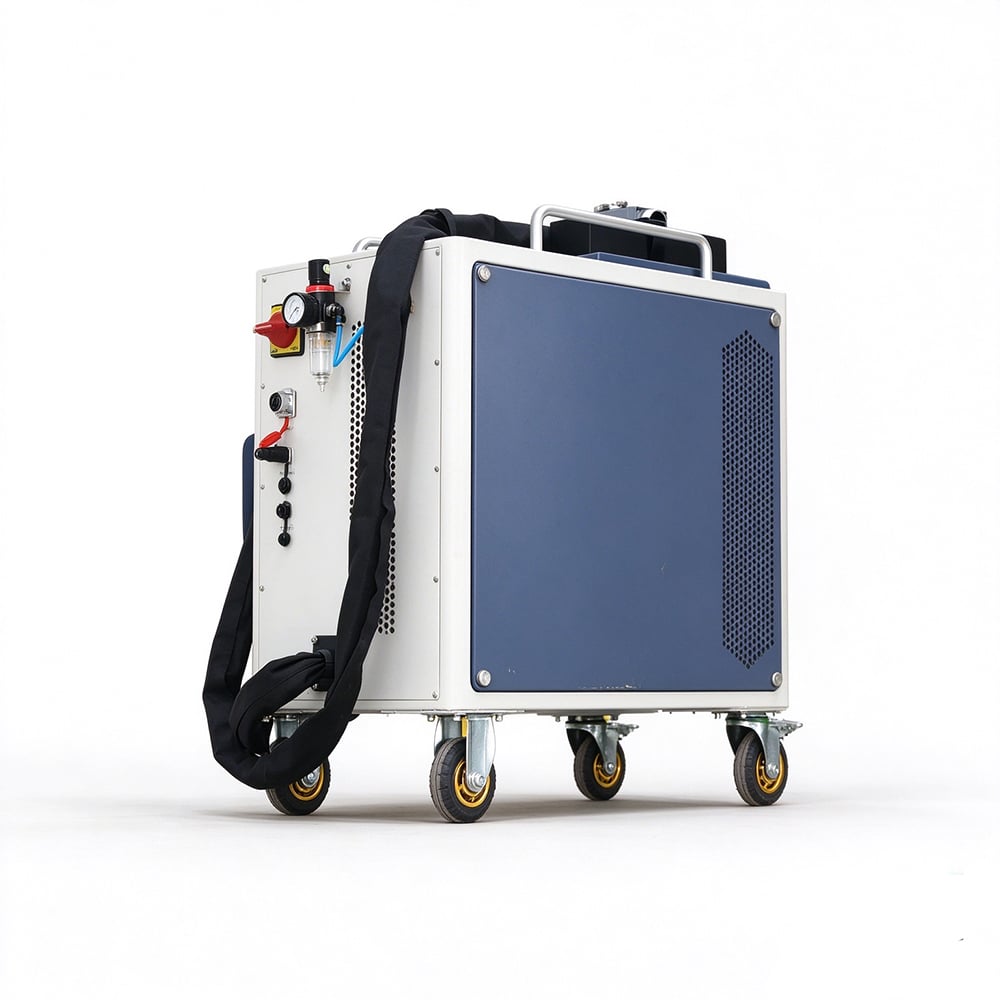
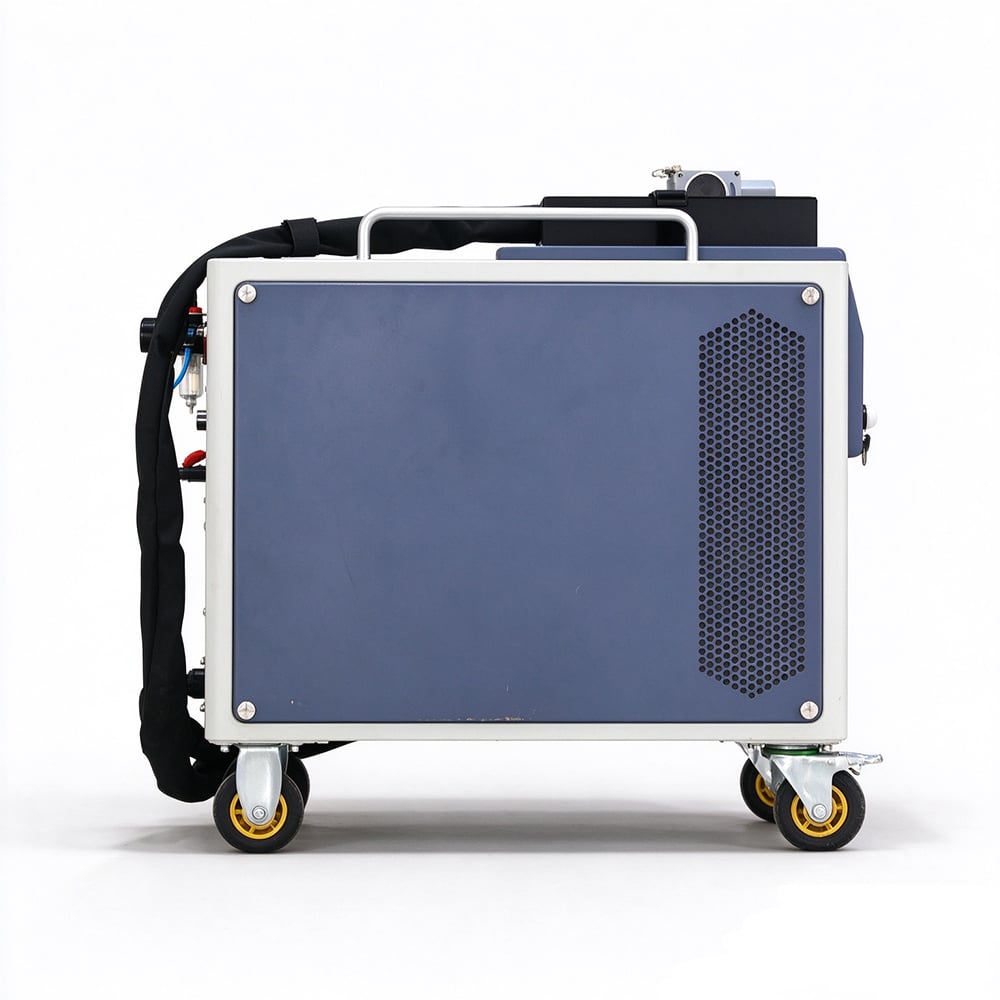
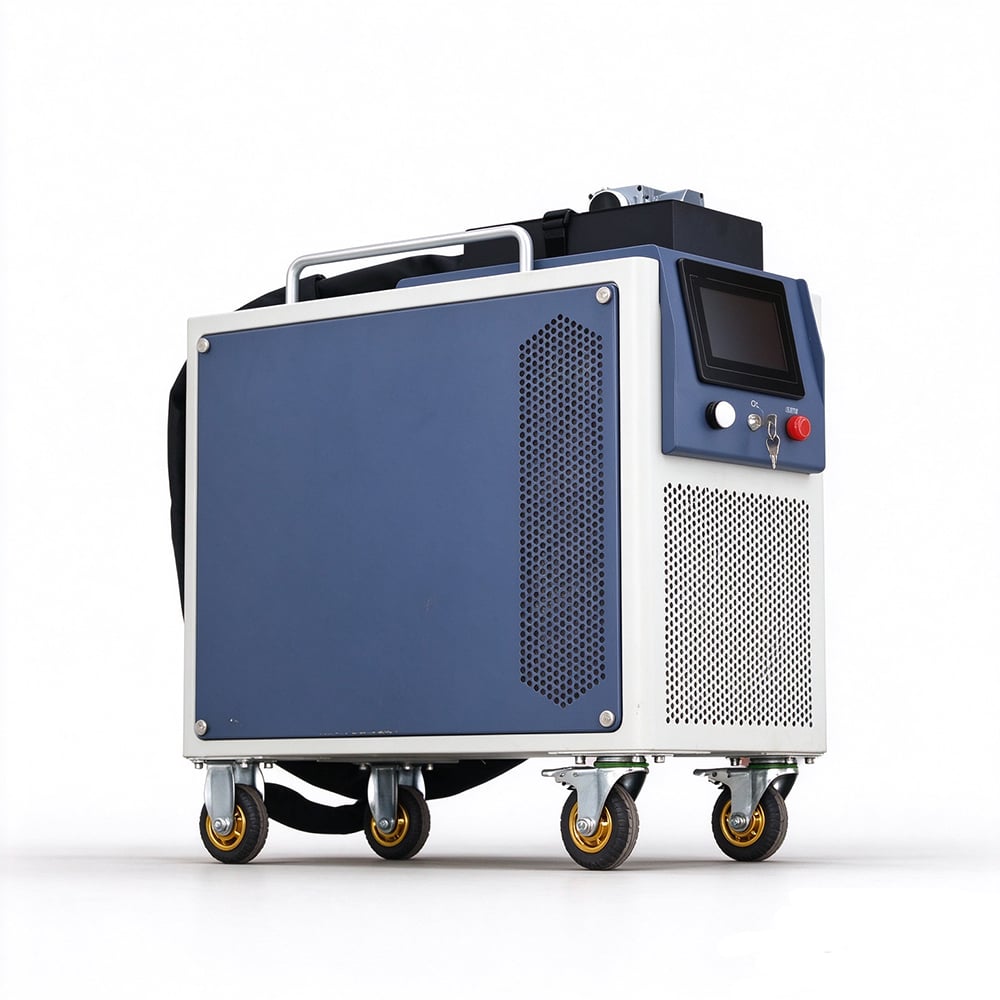
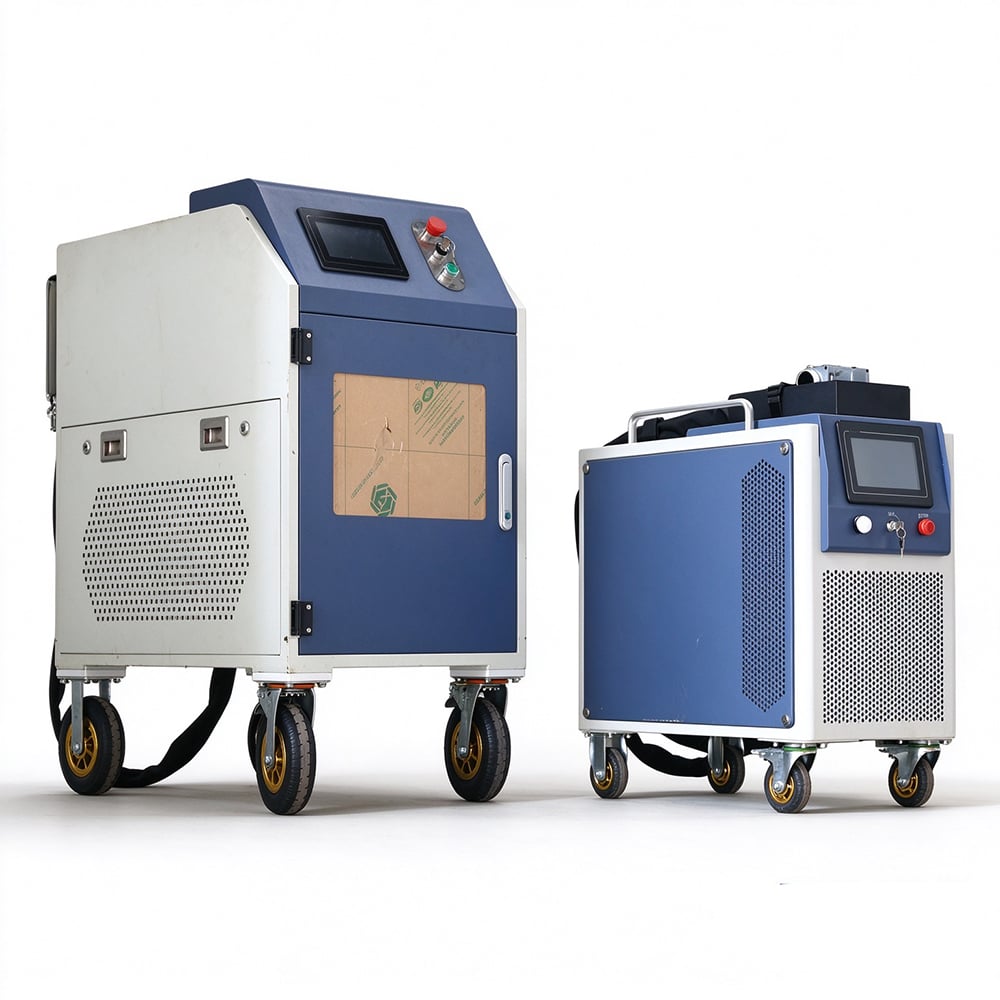
GT‑1000 Air‑cooled Pulsed Laser Cleaning Machine
Product Technical Features
 |
 |
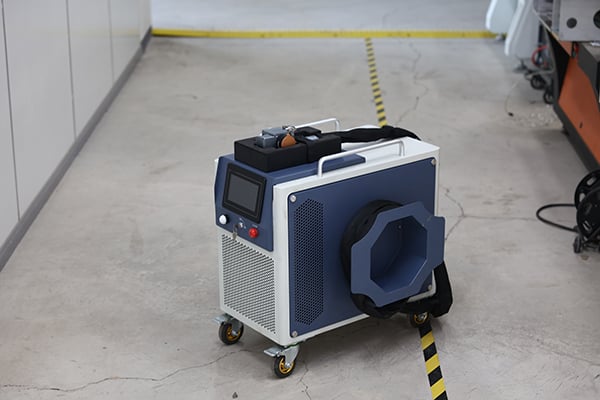
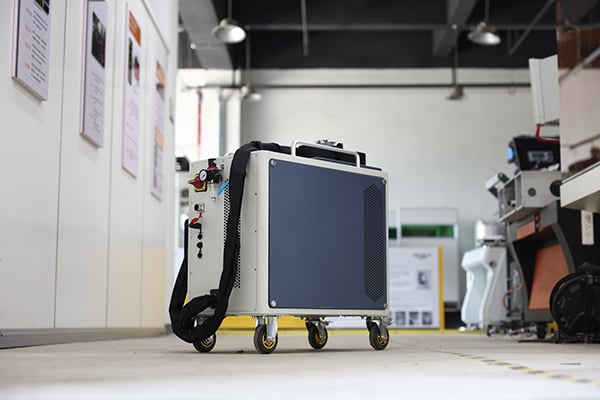
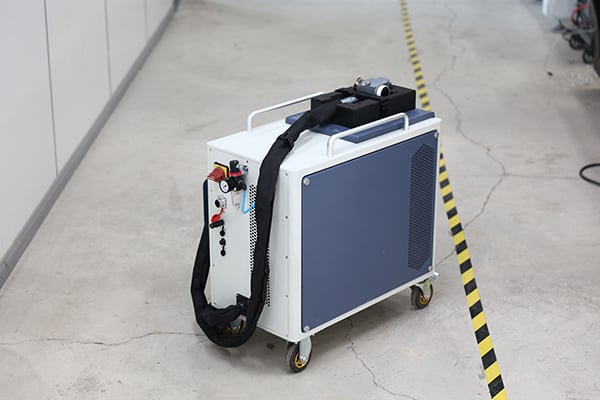
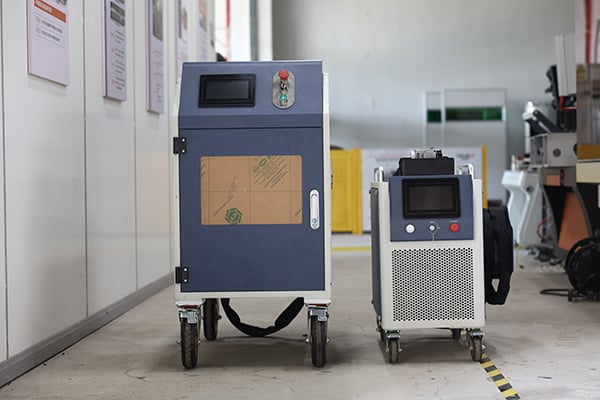
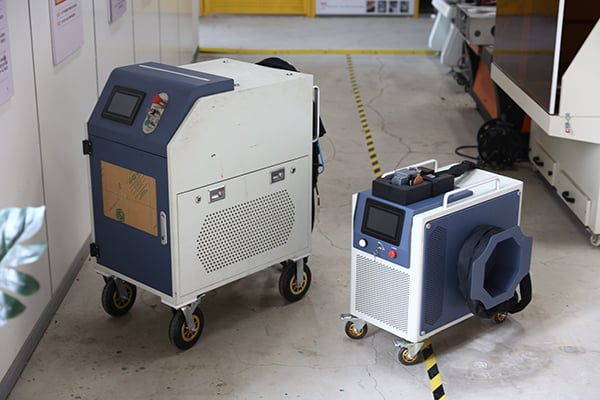
- Air‑cooled heat‑dissipation for simple deployment Eliminates the traditional water‑cooled chiller. No coolant filling or replacement is required, which avoids common failures such as water‑temperature alarms, pipeline icing and water‑way blockage. The machine is ready‑to‑use once powered on, suitable for frequent transfer operations in workshops, outdoor sites and construction sites.
- Multiple single‑pulse‑energy options for heavy‑duty & precision cleaning Delivers 1000 W average power with optional single‑pulse energy of 1.5 mJ / 5 mJ / 15 mJ / 50 mJ. High pulse energy rapidly removes heavy rust, oxide layers and old paint coatings. Adjustable low‑to‑high frequency enables gentle, damage‑free cleaning for woodwork and precision components.
- Wide‑range adjustable parameters with built‑in scanning patterns Laser power is continuously adjustable from 10 %‑100 %, and pulse frequency ranges from 20 kHz‑4000 kHz. The X/Y scanning line width can be adjusted between 5‑200 mm. Twelve scanning modes including line, ring, random and grid are available to adapt to complex working conditions. Process parameters can be saved and recalled.
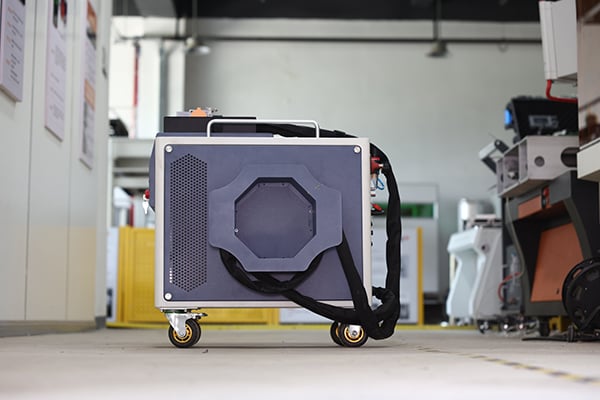
- Light‑weight main unit & handheld gun for easy mobile work The net weight of the whole machine is 65 kg, equipped with universal casters for easy movement. The handheld cleaning head weighs only 1.55 kg to reduce operator fatigue during long‑time operation. 5 m / 10 m optical fiber cables are optional, allowing long‑distance processing while keeping the main unit stationary.
- Eco‑friendly non‑contact cleaning with low operating cost Non‑contact cleaning prevents substrate scratches caused by mechanical grinding. No chemical agents or abrasives are consumed, producing no waste water or residues. Total power consumption is below 4 kW with only electricity required for operation. Equipped with red‑light guidance and anti‑high‑reflection function, it supports safe cleaning of high‑reflectivity materials such as aluminum and copper.
Performance Parameters
 |
 |
| Parameter Item | GT‑1000 Specification |
|---|---|
| Model | GT‑1000 |
| Average Laser Power | 1000 W |
| Central Wavelength | 1064 nm |
| Max. Single‑pulse Energy | 1.5 mJ (standard); 5 mJ / 15 mJ / 50 mJ (optional) |
| Fiber Length | 5 m / 10 m (optional) |
| Power Adjustment Range | 10%~100% continuously adjustable |
| Laser Pulse Frequency | 20 kHz‑4000 kHz adjustable |
| Scanning Line Width | X: 5‑200 mm; Y: 5‑200 mm adjustable |
| Field Lens Model | F255 |
| Minimum Fiber Bending Radius | 150 mm |
| Laser Output Instability | <5 % |
| Cooling Mode | Main unit: air‑cooled; Cleaning head: air‑cooled / water‑cooled |
| Net Weight of Main Unit | 65 kg |
| Weight of Cleaning Head | 1.55 kg |
| Packing Dimension (L×W×H) | 781 mm×521 mm×697 mm |
| Power Supply | AC 220V±10 %, 50/60 Hz |
| Operating Ambient Temperature | 0℃‑40℃ |
| Storage Temperature | -10℃‑60℃ |
| Total Power Consumption (@25℃) | <4 kW |
| Scanning Speed | 1‑14 m/s |
| Max. Assist Air Pressure | 0.6‑0.8 MPa |
| Operation Mode | Handheld |
| Additional Functions | Red‑light indicator, anti‑high‑reflection protection |
Laser Cleaning Process Parameters
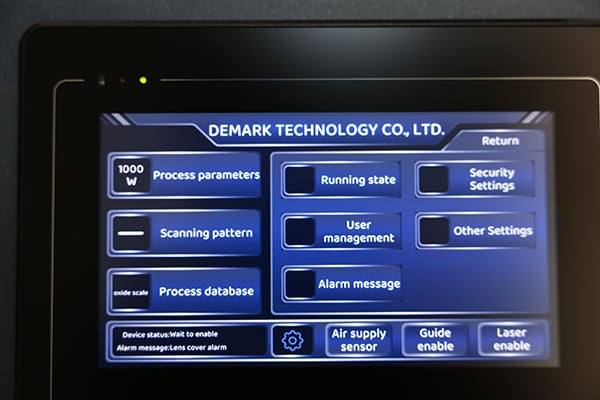
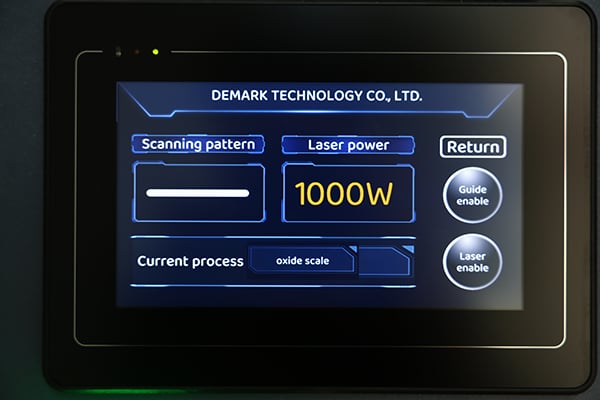
The GT‑1000 is embedded with a dedicated process database. Pre‑configured pulse width and laser frequency settings are available for different substrates and contaminants. Operators can select the corresponding material process to start work quickly without repeated trial‑and‑error. Minor fine‑tuning is allowed according to actual rust thickness and coating condition in production.
 |
 |
| Material Category | 1.5 mJ Version (GT‑1000‑M7) Pulse Width / Frequency | 15 mJ Version (GT‑1000‑15) Pulse Width / Frequency | Recommended Operating Power |
|---|---|---|---|
| Floor | 60 ns / 3500 kHz | 60 ns / 220 kHz | Medium power for fast sweeping |
| Paint | 150 ns / 1700 kHz | 150 ns / 110 kHz | Strip thick paint layer‑by‑layer; reduce power for thin paint |
| Wood | 150 ns /1730 kHz | 150 ns /140 kHz | 30%‑60 %; full‑power output prohibited |
| Rust | 350 ns /700 kHz | 350 ns /68 kHz | 70%‑100 % for heavy rust; 30%‑50 % for light rust |
| Oxide Skin | 350 ns /700 kHz | 350 ns /68 kHz | 70%‑100 %; clean with multiple reciprocating scans |
| Grease | 350 ns /720 kHz | 350 ns /78 kHz | Any power with high scanning speed |
Process Key Points
 |
 |
- Conduct small‑area pre‑test: Always test on workpiece edges for new materials. Confirm no substrate burning or discoloration before large‑area processing. Do not start directly at full power.
- Treatment for sensitive wood substrates: Ensure accurate focusing with red‑light indicator. Adopt ring scanning pattern to lower spot overlap ratio and avoid carbonization or burn marks on wood.
- Metal rust removal: For heavy rust, perform multiple reciprocating scans instead of single‑shot high‑power spot cleaning. Lower power for precision parts and light rust to prevent over‑cleaning and secondary oxidation.
- Grease & paint cleaning: Open‑flame may occur when cleaning grease. Keep proper focal distance and use assist air to blow away smoke and flame. Remove thick paint layer‑by‑layer to avoid substrate thermal deformation.
- Stone & brick cleaning: Apply medium‑to‑high power of 50%‑80 %. Do not dwell on one spot for long. Use random scanning mode for stains inside texture gaps for better cleaning performance.
Application Scenarios
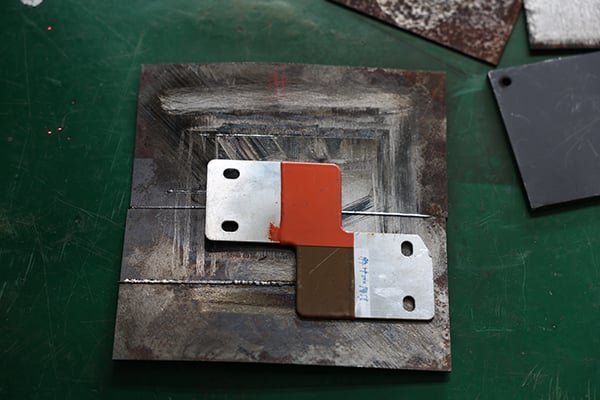
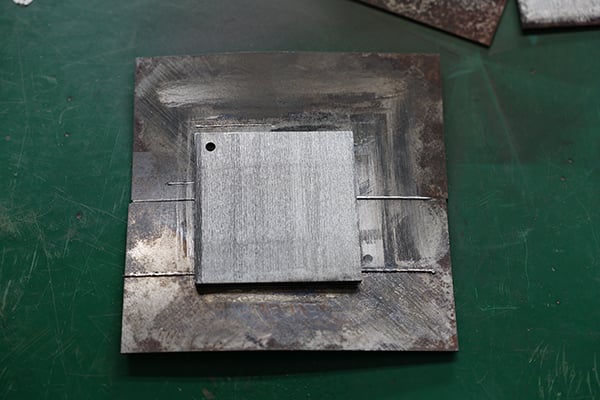
The GT‑1000 air‑cooled pulsed laser cleaning machine meets surface‑treatment requirements across various industrial sectors. It is capable of rust removal and oxide‑layer stripping for carbon steel, stainless steel, aluminum alloy and other metal workpieces. It can remove oil and rust on bevel edges before welding, and eliminate welding slag, black residue and spatter after welding.
In coating and electroplating industries, it activates and decontaminates substrate surfaces prior to spraying and electroplating. For moulds and tooling, it cleans carbon deposits, release‑agent residues and rubber residuals without damaging mould cavity precision.
 |
 |
For rail transit and automotive industries, it performs rust and paint removal on chassis, bogies and welding spots. In ship‑building and offshore engineering, it cleans old paint and rust on cabin and deck steel plates. It delivers precision decontamination and partial coating removal for aerospace components, and works safely for high‑reflectivity materials such as aluminum and copper.
It handles surface contamination on pipelines, flanges and transformer components in power‑energy industries. For construction‑related stone and brick components, it removes graffiti and surface pollutants. In wood‑furniture manufacturing, it gently strips old paint films and surface stains while maximally preserving substrate integrity.
Safety & Daily Maintenance
This equipment is Class‑IV laser product. Laser‑protective goggles of matching wavelength must be worn throughout operation. Never look directly at laser output port or reflected laser beam. The area in front of the cleaning gun is hazardous; never point the gun towards human bodies.
All maintenance must be performed under power‑off status. Inspect protective lenses before and after each use. Wipe dust with lens paper. Replace burnt lenses promptly in dust‑free environment. Maintain fiber‑optic bending radius above 150 mm. Regularly clean dust on filter mesh to prevent overheating. Unauthorized disassembly of laser source and cleaning gun is strictly forbidden.