EN
 AR
 CS
 NL
 FR
 DE
 IT
 JA
 KO
 PL
 PT
 RU
 ES
 UK
 TH
 TR


LITE Series Air‑Cooled Laser Cleaning Machine
Technical Features
 |
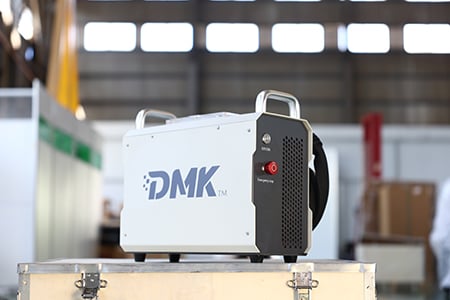 |
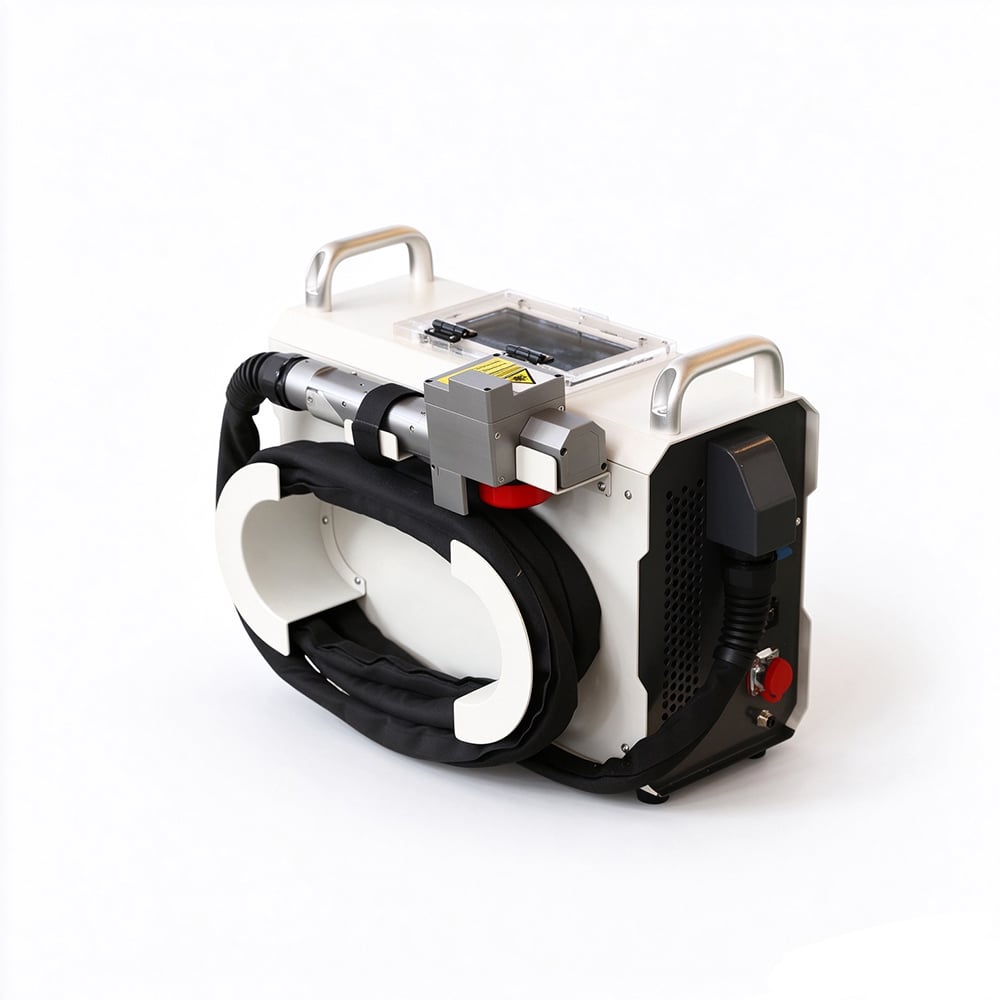
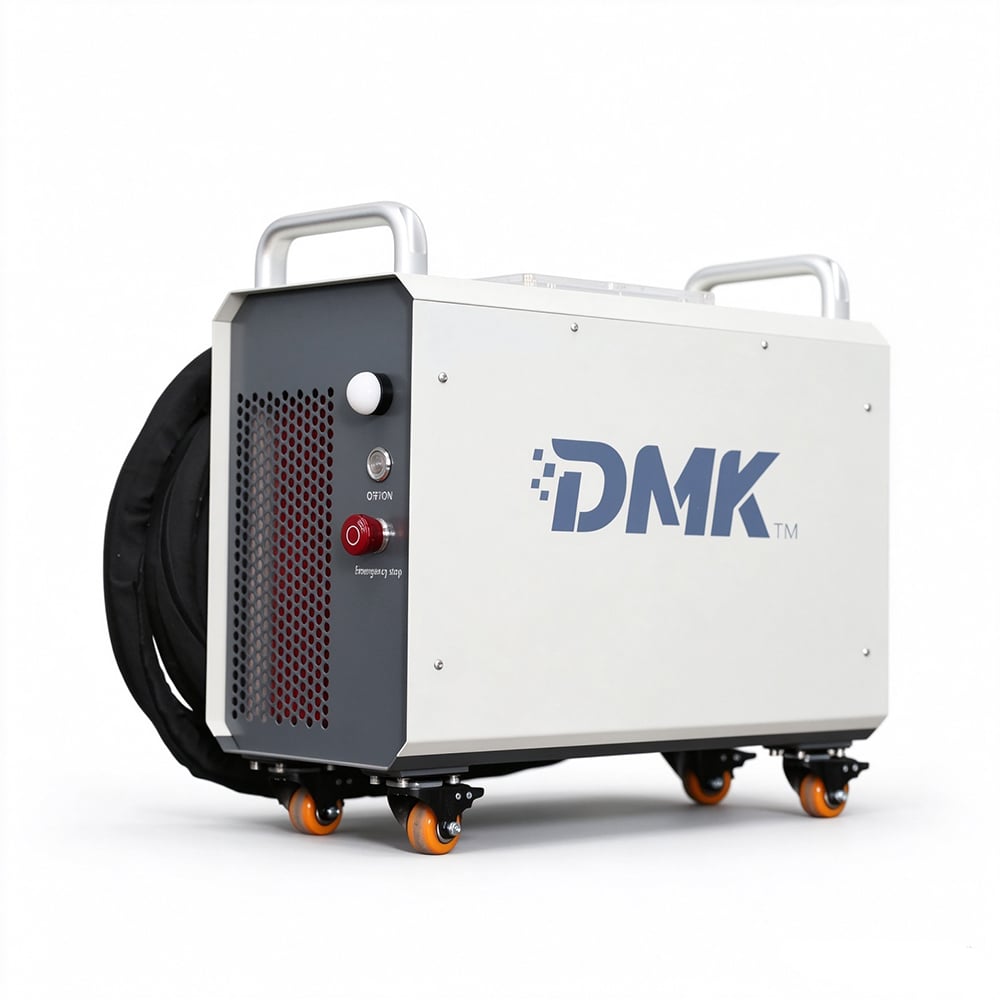
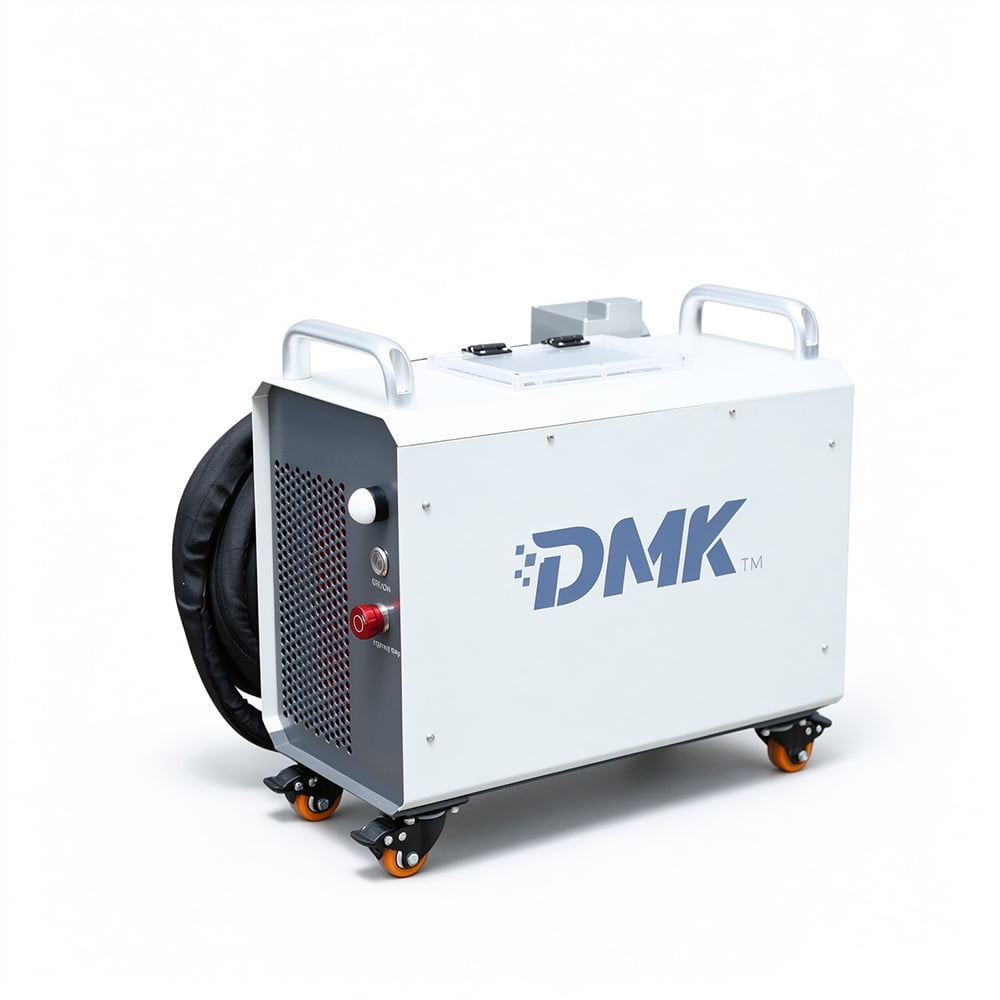
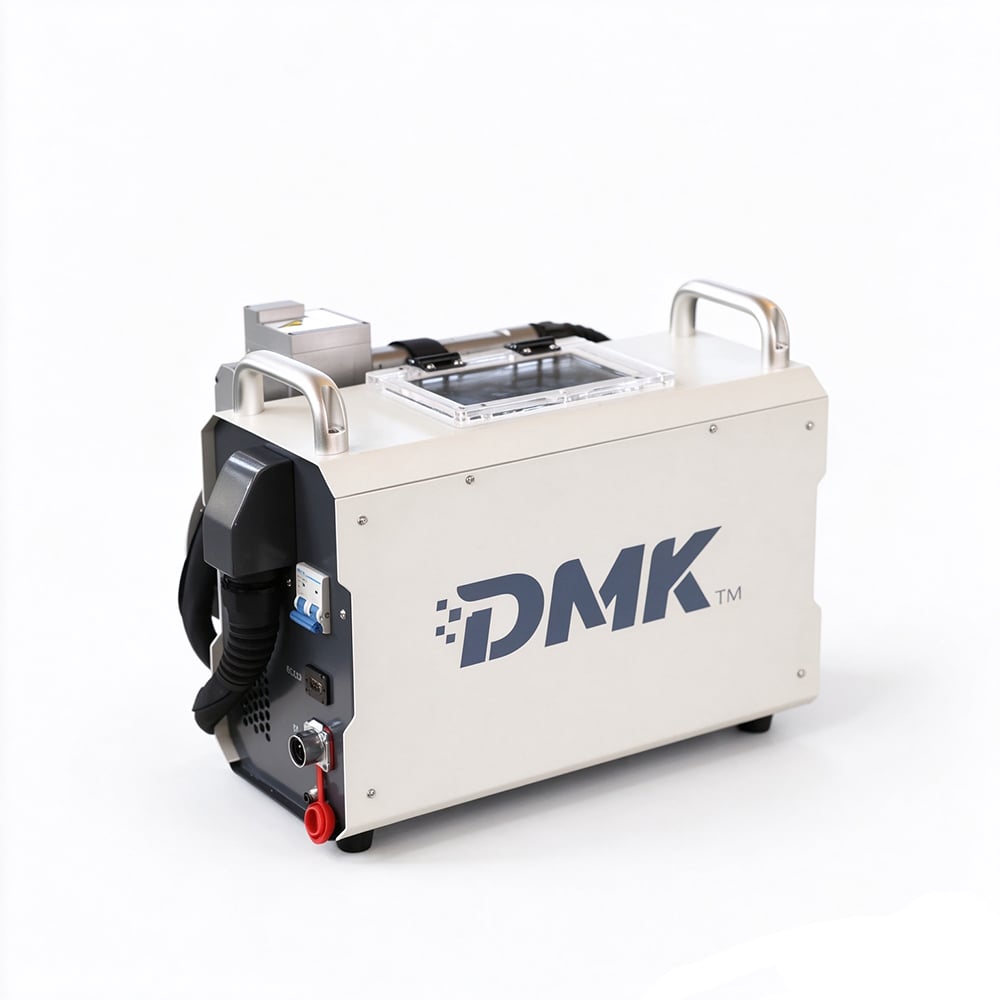
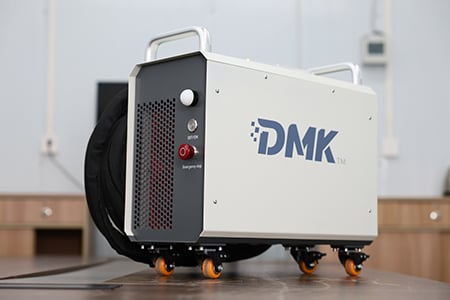
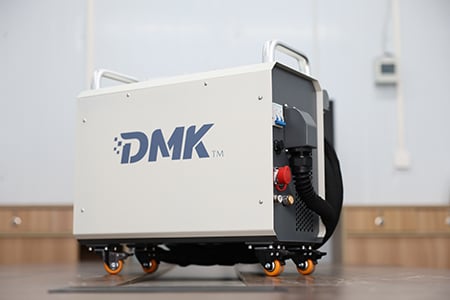
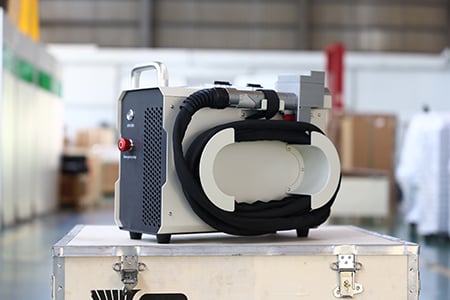
- Pure air‑cooled heat dissipation design: No chiller unit required. There is no need to fill pure water, replace coolant or add antifreeze. The machine is ready for operation once power and clean compressed air are connected, avoiding alarms caused by abnormal water temperature and suiting complex working conditions including outdoor sites and locations without fixed water supply.
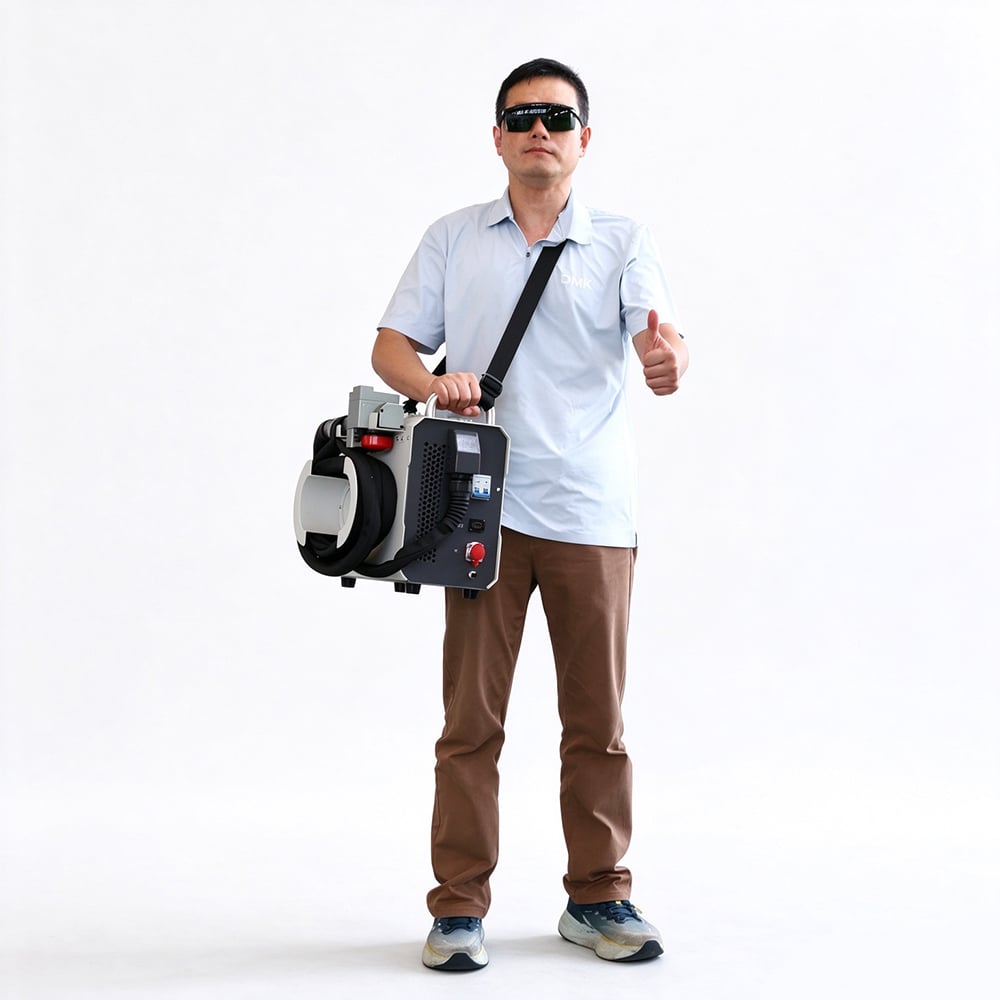
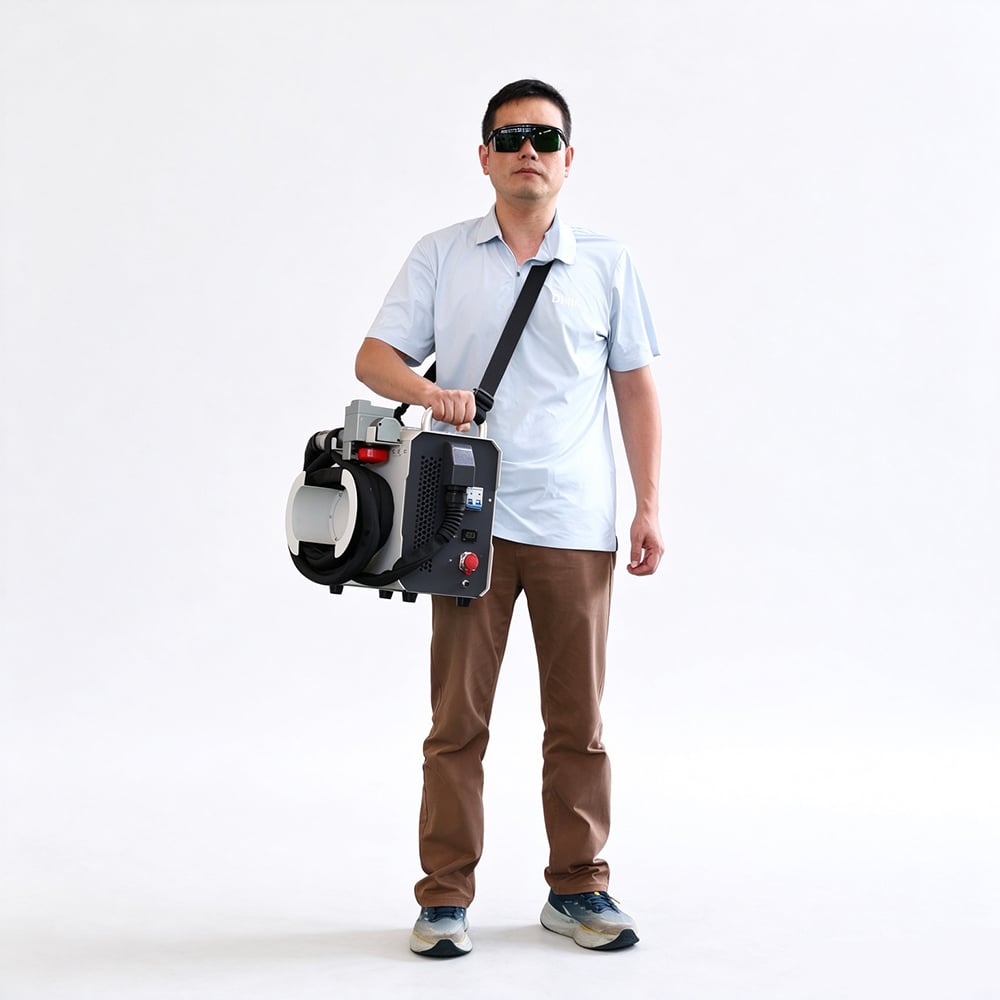
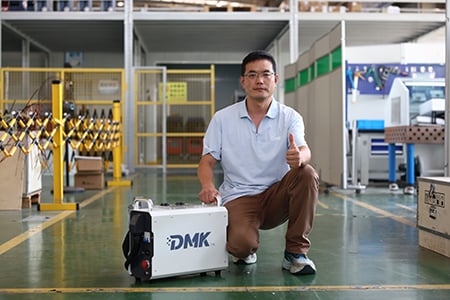
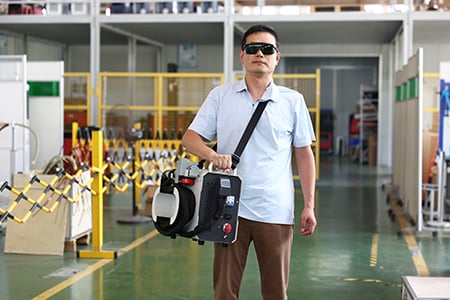
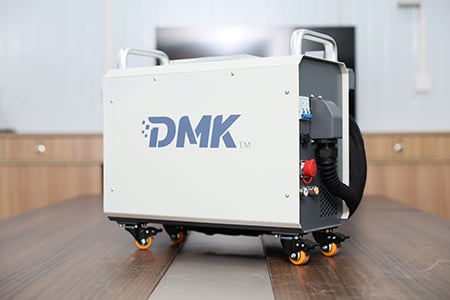
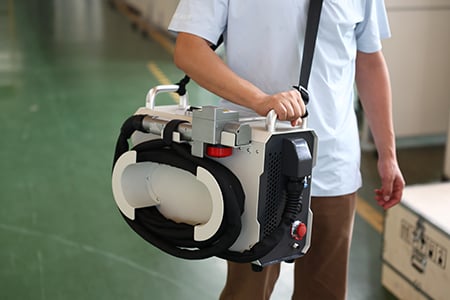
- Lightweight and portable chassis: The maximum gross weight is only 32 kg. Fitted with carrying handles and cross‑body shoulder strap, the unit can be carried and relocated by one single operator. The cleaning head weighs merely 1.3‑1.5 kg to reduce fatigue during long‑hour handheld operation.
- Non‑destructive cleaning with pulsed laser: Adopting 1064 nm pulsed fiber laser, it strips contaminants by leveraging physical property differences between contaminants and substrates. The non‑contact processing leaves base materials intact with micron‑level precision control in thickness direction.
- Diverse scanning patterns & built‑in process library: 12 scanning patterns are built‑in with continuously adjustable scanning width ranging from 1 mm to 200 mm. Mature cleaning processes are pre‑configured for direct parameter calling and lower operator experience requirements.
- Cost‑effective & easy‑to‑maintain: Non‑core auxiliary components are streamlined to reduce potential failure points. No abrasives or chemical agents are consumed during cleaning; only protective lenses serve as regular consumables, bringing down packaging and transportation costs.
Performance Parameters
 |
 |
| Item | DPL‑200 | DPL‑300 | DPL‑500 |
|---|---|---|---|
| Average Laser Power | 200 W | 300 W | 500 W |
| Central Wavelength | 1064 nm | 1064 nm | 1064 nm |
| Max. Single‑pulse Energy | 1.5 / 2 mJ (optional) | 1.5 / 5 / 15 mJ (optional) | 15 mJ |
| Power Adjustment Range | 10%~100% adjustable | 10%~100% adjustable | 10%~100% adjustable |
| Pulse Frequency | 20 kHz‑4000 kHz adjustable | 20 kHz‑4000 kHz adjustable | 20 kHz‑4000 kHz adjustable |
| Scanning Width | 1‑200 mm adjustable | 1‑200 mm adjustable | 1‑200 mm adjustable |
| Scanning Speed | 1‑14 m/s | 1‑14 m/s | 1‑14 m/s |
| Field Lens Model | F255 | F255 | F255 |
| Fiber Length | 5 m | 5 m | 5 m |
| Min. Fiber Bending Radius | 150 mm | 150 mm | 150 mm |
| Laser Output Instability | <5% | <5% | <5% |
| Cooling Mode | Air‑cooled | Air‑cooled | Air‑cooled |
| Cleaning Head Weight | 1.3 kg | 1.3 kg | 1.5 kg |
| Net Weight | Approx. 18 kg | Approx. 18 kg | Approx. 32 kg |
| Chassis Dimension (L×W×H) | 497×282×379 mm | 497×282×379 mm | 550×320×420 mm |
| Operation Mode | Handheld | Handheld | Handheld |
| Power Supply | Single‑phase 3‑wire AC220V±10% | Single‑phase 3‑wire AC220V±10% | Single‑phase 3‑wire AC220V±10% |
| Mains Frequency | 50 Hz | 50 Hz | 50 Hz |
| Power Consumption | <1000 W | <1500 W | <3000 W |
| Operating Ambient Temperature | 0‑40℃ | 0‑40℃ | 0‑40℃ |
| Storage Temperature | -10‑60℃ | -10‑60℃ | -10‑60℃ |
| Required Air Pressure | ≥0.6 MPa dry & oil‑free clean compressed air | ≥0.6 MPa dry & oil‑free clean compressed air | ≥0.6 MPa dry & oil‑free clean compressed air |
Laser Cleaning Process Parameters
Pulse width governs contaminant stripping capacity while frequency controls heat input level. For dense contaminants such as rust and oxide layers, long pulse width combined with low frequency is recommended. For sensitive surfaces including paint and wood substrates, short pulse width paired with high frequency shall be adopted to lower risks of substrate overheating. On‑site fine‑tuning of power, scanning speed and defocus amount is allowed. Maintain a 10°‑30° inclination angle between laser beam and workpiece during cleaning to prevent lens damage caused by vertical laser reflection.
 |
 |
| Model Configuration | Floor | Paint | Wood | Rust | Oxide Skin | Grease |
|---|---|---|---|---|---|---|
| DPL‑200 (1.5 mJ) | 60ns / 660kHz | 150ns / 240kHz | 150ns / 300kHz | 350ns / 130kHz | 350ns / 130kHz | 350ns / 140kHz |
| DPL‑200 (2 mJ) | 60ns / 660kHz | 150ns / 180kHz | 150ns / 300kHz | 350ns / 110kHz | 350ns / 110kHz | 350ns / 140kHz |
| DPL‑200 (5 mJ) | 30ns / 350kHz | 150ns / 90kHz | 150ns / 130kHz | 350ns / 50kHz | 350ns / 50kHz | 350ns / 40kHz |
| DPL‑300 (1.5 mJ) | 45ns / 1500kHz | 100ns / 800kHz | 100ns / 900kHz | 350ns / 230kHz | 350ns / 230kHz | 350ns / 250kHz |
| DPL‑300 (5 mJ) | 60ns / 280kHz | 150ns / 100kHz | 150ns / 200kHz | 350ns / 65kHz | 350ns / 65kHz | 350ns / 70kHz |
| DPL‑300 (15 mJ) | 60ns / 105kHz | 150ns / 34kHz | 150ns / 100kHz | 350ns / 26kHz | 350ns / 26kHz | 350ns / 30kHz |
| DPL‑500 (15 mJ) | 30ns / 300kHz | 150ns / 66kHz | 150ns / 250kHz | 350ns / 70kHz | 350ns / 39kHz | 350ns / 40kHz |
Application Scenarios
 |
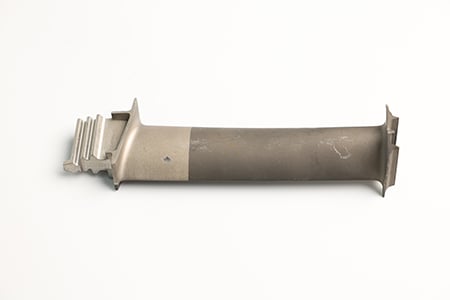 |
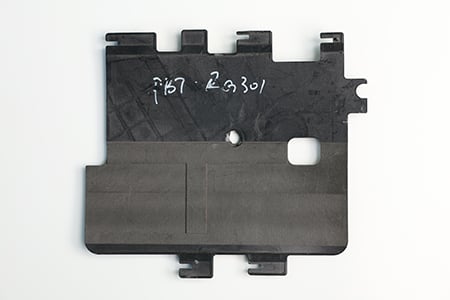
Metallic Substrates: For steel, aluminum alloy, stainless steel and other metal workpieces. It removes surface rust, paint coatings, post‑weld oxide layers, weld soot, oil stains and carbon deposits for welding pre‑treatment, post‑weld cleaning and workpiece refurbishment & rework.
Non‑metallic Substrates: For ceramic, glass and composite material workpieces. Low‑energy process parameters are applied to achieve non‑destructive spot cleaning of surface coatings, stains and residual adhesive layers.
Maintenance & After‑sales Service
 |
 |
After operation, coil the optical fiber with bending radius larger than 150 mm. Inspect protective lenses before power‑on and after power‑off. Wipe dust with lens paper and shut down for immediate replacement once lens burning occurs. Clean filter dust regularly, reserve 10 cm ventilation clearance around chassis, supply dry and oil‑free compressed air. All maintenance operations must be performed under power‑off status.
In case of alarms or laser output failure, conduct basic self‑inspection first: confirm emergency‑stop reset, stable power & air supply and intact protective lenses. If faults persist after troubleshooting, contact after‑sales engineers for remote support. Factory return‑to‑test is available if remote resolution fails.
Each unit undergoes full‑range factory inspection. Damages caused by consumable wear, fiber damage, mis‑operation or unauthorized disassembly are not covered under warranty. Report equipment failures within 3 working days. Confirm with after‑sales team before returning goods and implement proper packaging. Secondary damage arising from unapproved return shipment shall be borne by the user.