The high precision of
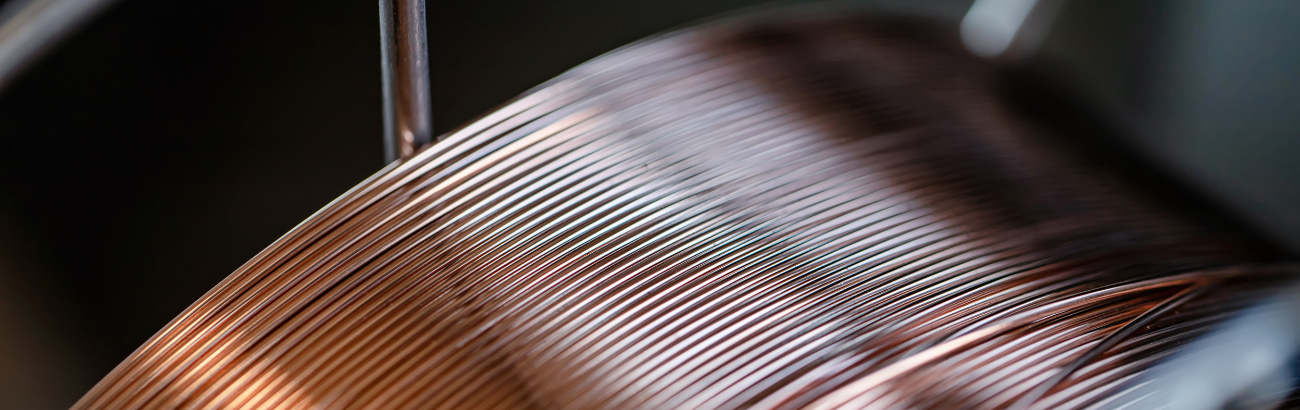
laser welding relies on the precise coordination of every link. Many people focus on the performance of laser equipment but overlook the welding wire—a "core supporting role" that is by no means just a filler metal. Instead, it is a critical factor directly determining weld quality, stability, and service life. Inferior welding wire will greatly undermine the advantages of advanced laser equipment, while high-quality wire can double the welding effect. This article breaks down how wire quality impacts laser welding and teaches you to avoid pitfalls quickly!
I. Inferior Welding Wire: The "Source of Failures" in Laser Welding
Seemingly insignificant inferior welding wire can cause a series of irreversible welding problems:
- Inconsistent diameter: Overly thick wire absorbs excessive laser energy, leading to molten pool turbulence and burn-through; overly thin wire results in uneven vaporization and insufficient filling. Diameter variations within the same spool also cause fluctuations in heat input, resulting in defects such as uneven penetration and weak points;
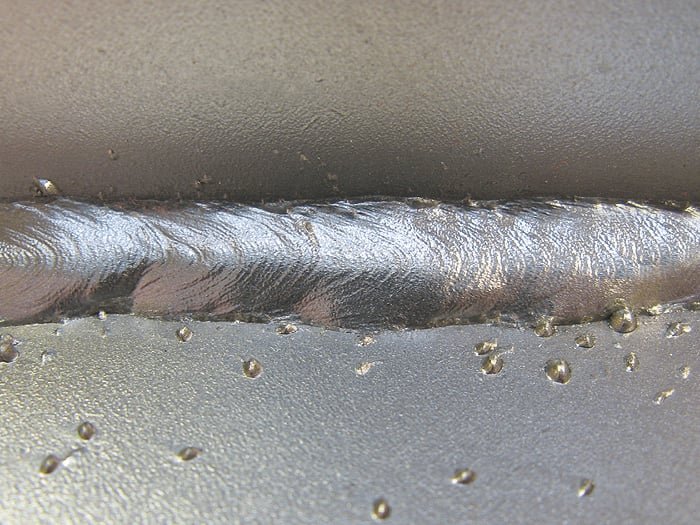
- Impure composition: Surface contaminants like oil and rust vaporize under laser irradiation to form pores; internal impurities such as sulfur and phosphorus trigger hot cracks and reduce toughness; deviations in alloying elements lead to increased weld brittleness and decreased corrosion resistance;
- Material mismatch: Significant differences in alloy composition and melting point between the wire and base material cause insufficient fusion, making the weld a structural weak point that is prone to cracking under stress and damage under corrosion;
- Poor feedability: Wire with a rough surface and insufficient straightness may bend, jam, or deviate, interfering with the laser beam, generating spatter, and causing process instability—even the most advanced equipment cannot perform effectively.
II. High-Quality Welding Wire: The "Core Guarantee" for Perfect Welds
High-quality welding wire can fully unlock the potential of
laser welding, delivering three core advantages:
- Stable and uninterrupted process: Consistent diameter, excellent straightness, and surface lubricity ensure the wire is smoothly fed into the laser focus, reducing downtime and manual intervention, and adapting to automated production;
- Flawless weld quality: Pure composition enables molten pool control, significantly reducing defects such as pores and cracks, and forming uniform, smooth, and internally/externally strong welds;
- Compliant performance: Composition precisely matched to the base material guarantees the weld’s strength, toughness, corrosion resistance, and other properties, working synergistically with the base material to ensure long-term component integrity.
III. 4 Golden Rules for Choosing High-Quality Welding Wire
- Composition matching is fundamental: Follow the "like-to-like" principle—mild steel with ER70S-6 wire, 304 stainless steel with 308L wire; select special-purpose wire for specific needs (e.g., nickel-based wire for dissimilar metal joining);
- Strict diameter tolerance: Prioritize wire with tight tolerances (e.g., ±0.01mm) and require suppliers to guarantee batch-to-batch consistency for easy locking of welding parameters;
- Surface cleanliness is critical: Ensure the wire is free of oil and rust; choose copper-free coated wire for critical scenarios; simultaneously guarantee wire straightness to avoid feeding deviation;
- System compatibility for efficiency: High-quality wire must be paired with precise laser equipment and high-precision wire feeders. Select an integrated supplier to ensure full system compatibility and optimal performance.
Conclusion


 EN
EN
 AR
AR CS
CS NL
NL FR
FR DE
DE IT
IT JA
JA KO
KO PL
PL PT
PT RU
RU ES
ES UK
UK TH
TH TR
TR