Welding is more than just a metal-joining technique; it’s a critical skill supporting core industries like infrastructure, aerospace, and maritime. This field offers numerous specialized career paths—some challenge limits in extreme environments, others pursue perfection in precision manufacturing. Not only do these roles come with attractive salaries, but they also bring immense professional fulfillment. This article highlights 10 popular welding careers, helping you explore the unique features and advantages of each path!
-
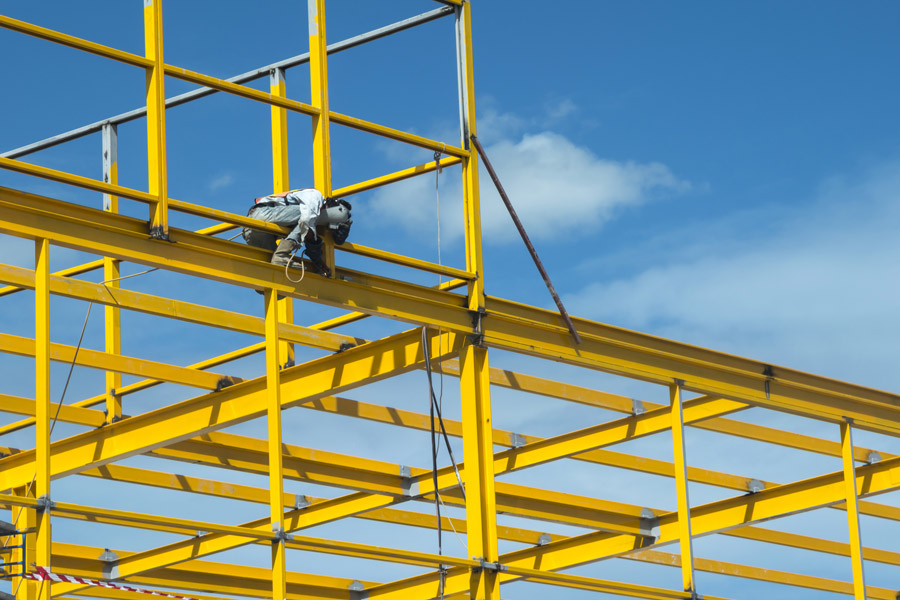
Structural Welder: The "steel tailor" of infrastructure projects, responsible for welding steel frames of skyscrapers, bridges, and large-scale facilities. Mostly working outdoors at heights, they need proficiency in SMAW and FCAW, plus OSHA safety certification. Salaries match the high-intensity work, with a strong sense of achievement from contributing to city landmarks.
-
Underwater Welder: An "underwater engineer" combining welding expertise with commercial diving skills, serving ship repairs, offshore oil platforms, and bridge maintenance. Requires commercial diving licenses and AWS underwater welding certification. Facing risks like decompression sickness and low visibility, the annual salary ranges from $500,000 to over $1.5 million—high risk equals high reward.
-
Oil Rig Welder: A "high-paid craftsman" working on offshore drilling platforms and auxiliary vessels, responsible for constructing and maintaining marine structures in remote, high-pressure environments. Needs specialized welding skills for harsh ocean conditions, plus safety certifications like BOSIET and HUET. With an annual salary of $700,000 to over $1.5 million, it offers generous overtime pay and overseas bonuses, along with rotational work schedules.
II. Precision Manufacturing Specialists: Pursuing Perfection in Details
-
Aerospace Welder: The "precision master" of high-end manufacturing, focusing on welding aircraft, spacecraft, and special alloy components. Working in controlled environments like cleanrooms, they must master TIG welding and hold AWS/NADCAP certifications. Annual salaries range from $650,000 to $1 million, blending technology and innovation.
-
Tool and Die Maker: The "unsung hero" of industrial production, designing and manufacturing precision tools, molds, and custom parts for automotive and electronics industries. Requires micro-welding skills and CNC operation capabilities, with an annual salary of $480,000 to $850,000. Experience enhances career prospects, with clear promotion paths.
-
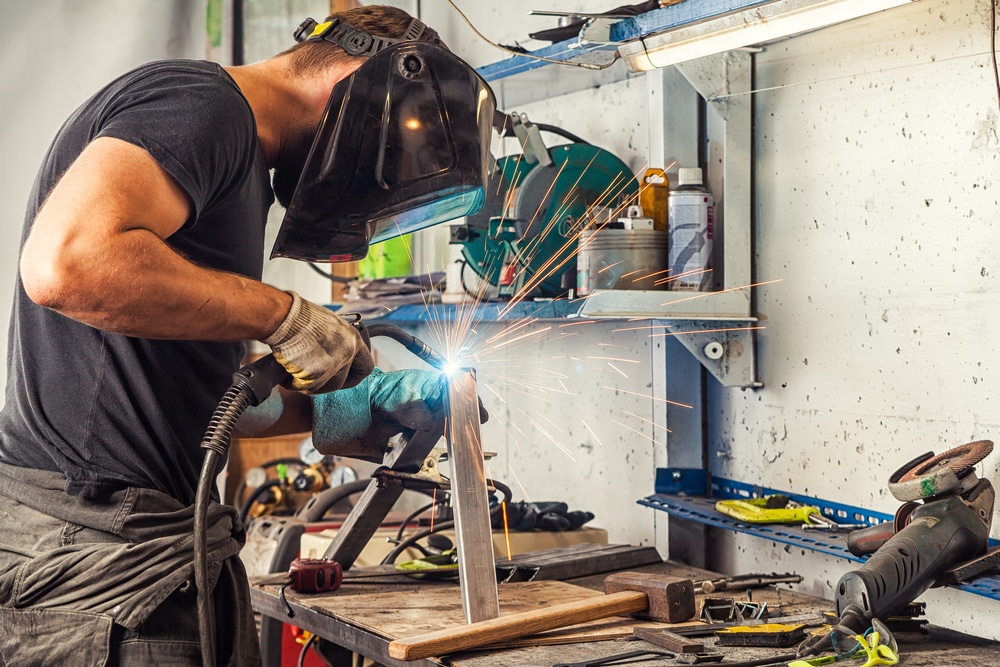
Fabricator Welder: A "creative artisan" transforming metal raw materials into custom staircases, mechanical frames, and industrial shields. Working in indoor workshops, they proficient in multiple welding processes, earning $400,000 to $700,000 annually. Ideal for those who enjoy building products from scratch.
III. Industrial Support Experts: Safeguarding Core System Operations
-
Shipyard Welder: The "backbone" of the maritime industry, constructing and repairing ships and barges in humid, noisy environments (often in confined spaces). Skilled in MIG, TIG, and FCAW, they earn $450,000 to $800,000 annually, with stable employment and strong team collaboration.
-
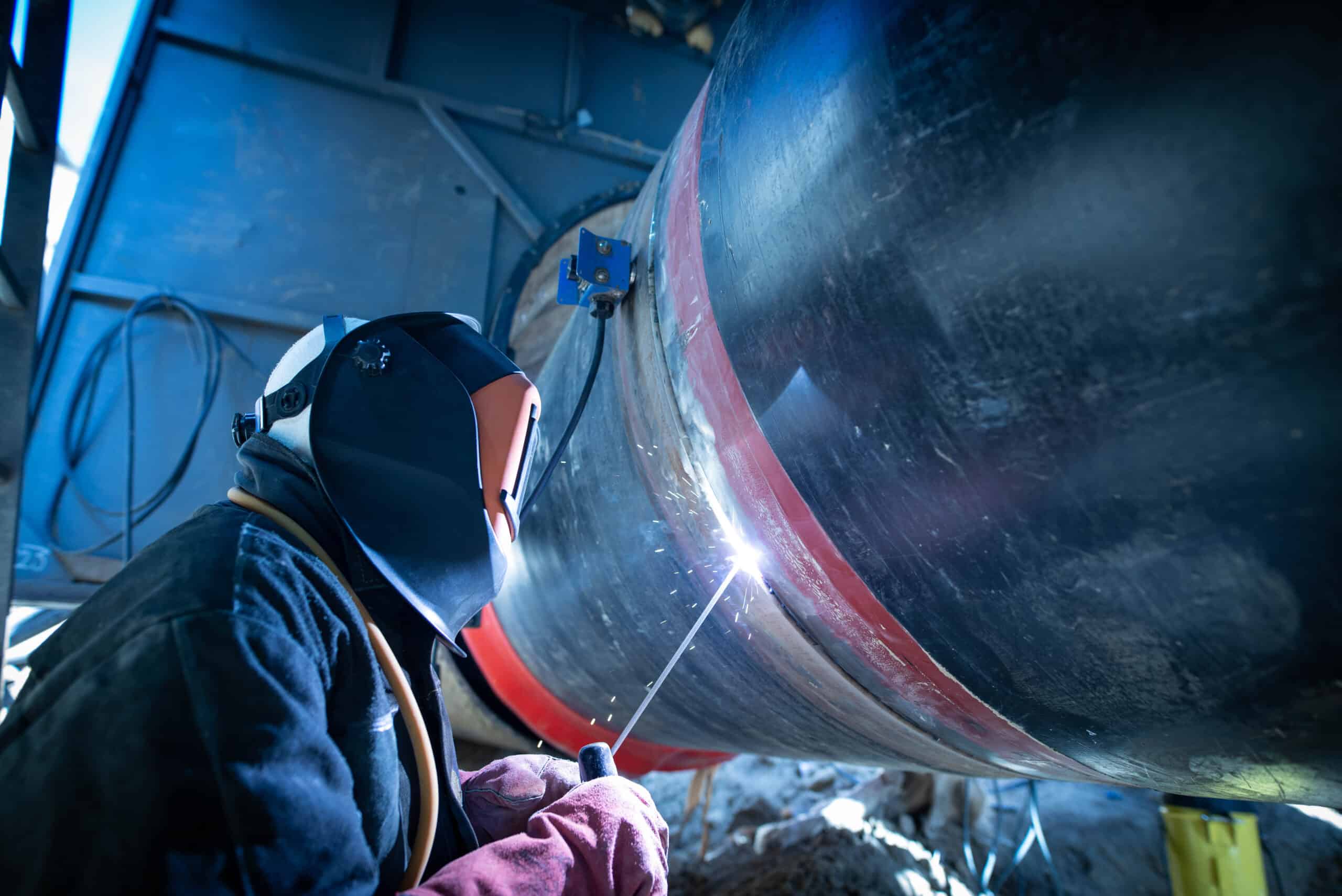
Pipefitter Welder: The "pipe doctor" of energy transmission, installing and maintaining industrial/commercial pipelines for water, oil, and gas. Able to read pipe schematics and master various welding techniques, their annual salary ranges from $550,000 to $900,000, with flexible income from project-based work.
-
Industrial Maintenance/Shutdown Welder: The "emergency responder" for factories, repairing heavy equipment during planned or emergency shutdowns to minimize downtime. Requires quick problem-solving skills and safety certifications, earning over $1 million annually with generous overtime and hazard pay.
-
Welding Engineer: The "technology leader" designing and supervising welding processes to ensure safety and efficiency. Holding a bachelor’s degree and CWEng certification, they earn $600,000 to over $1.2 million annually. Focused on innovation and technical breakthroughs, it’s ideal for professionals with strong leadership.
Conclusion
Welding careers span from extreme outdoor operations to precision manufacturing and technical R&D. Whether you excel at hands-on work or thrive on technological innovation, there’s a path for you. With sustained demand for welding professionals amid industrial development, mastering specialized skills and authoritative certifications will help you stand firm in this high-value field.


 EN
EN
 AR
AR CS
CS NL
NL FR
FR DE
DE IT
IT JA
JA KO
KO PL
PL PT
PT RU
RU ES
ES UK
UK TH
TH TR
TR