Laserové barvení z nerezové oceli: inovativní technologie pro barevné značení bez inkoustu
V oblastech jako je zpracování kovů, dekorativní design a sledovatelnost výrobků je barevné značení důležitým prostředkem přenosu informací a zvyšování estetické hodnoty. Tradiční metody barevného značení kovů, jako je tisk nebo elektrochemické zpracování, mají nedo...
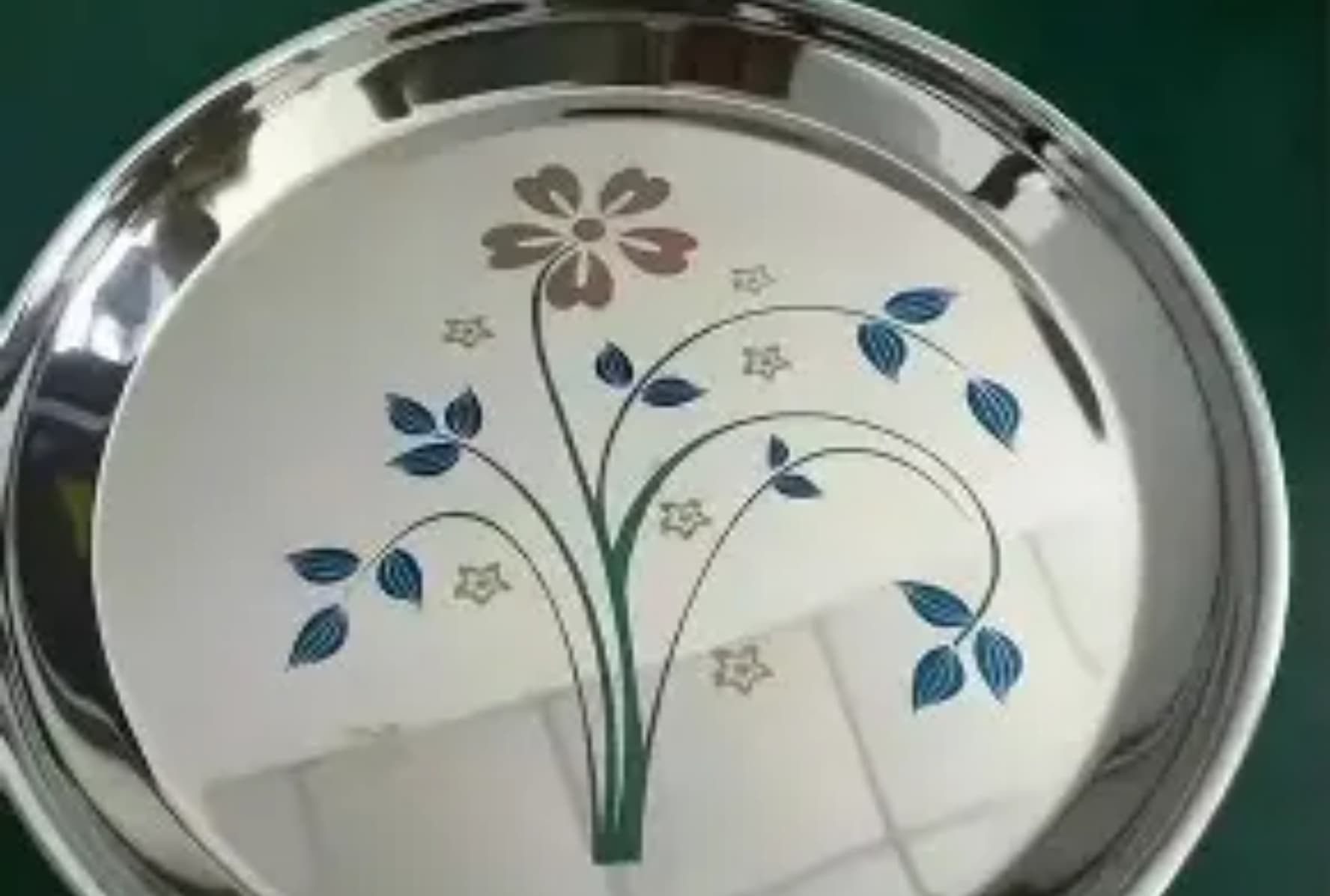
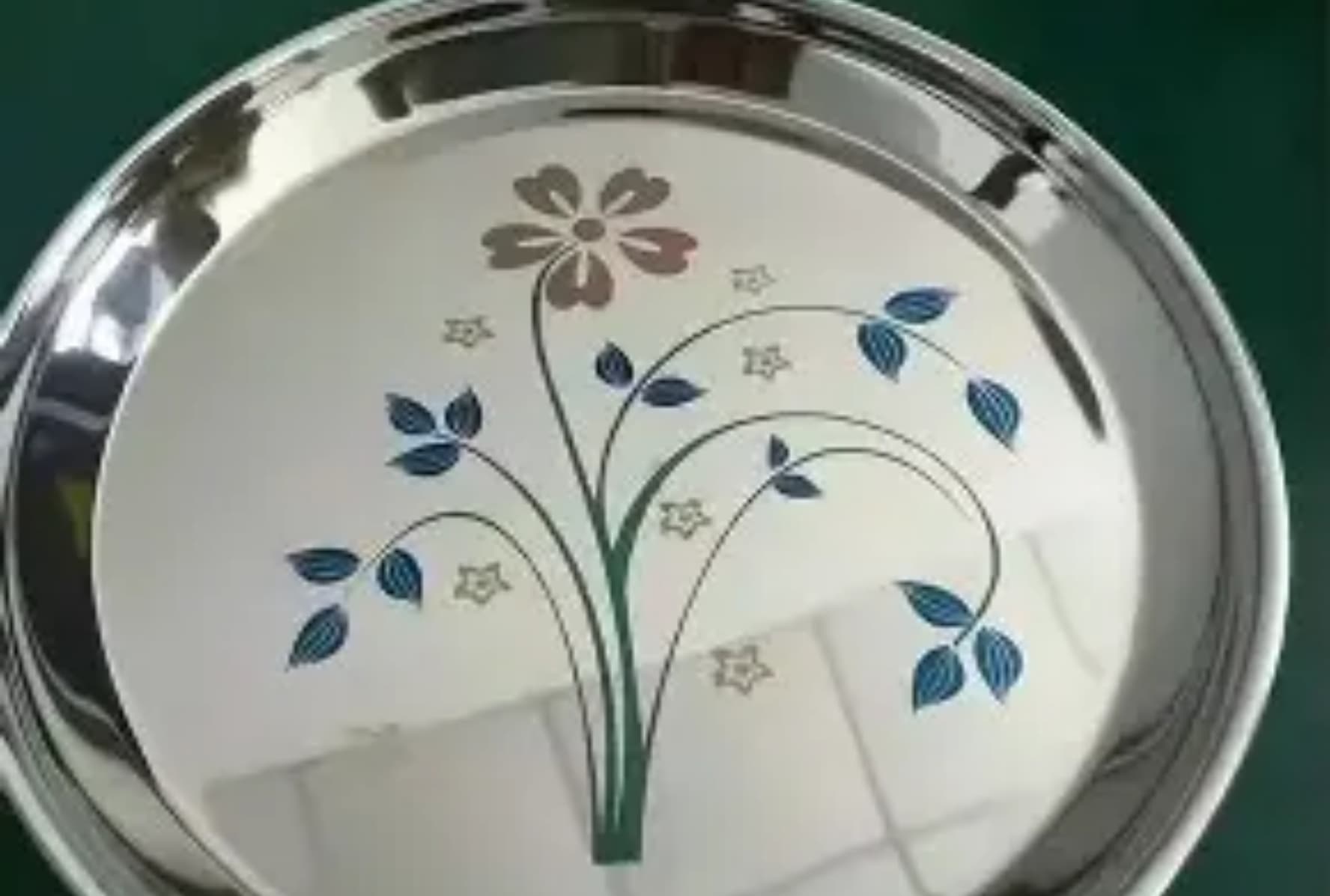
V oblastech jako je zpracování kovů, dekorativní design a sledovatelnost výrobků je barevné značení důležitým prostředkem přenosu informací a zvyšování estetické hodnoty. Tradiční metody barevného zpracování kovů, jako jsou tisk a elektrochemické zpracování, mají nevýhody, mezi něž patří znečištění životního prostředí, nutnost použití dodatečných spotřebních materiálů a nestabilní barvy. Technologie laserového barevného značení nerezové oceli se však stala populárním trendem v laserovém průmyslu díky svým výhodám – žádné spotřební materiály, vysoká přesnost a trvanlivé barvy. Indukuje se oxidace na povrchu nerezové oceli pomocí laserové energie za účelem vytvoření barevné oxidové vrstvy; není tedy zapotřebí inkoust ani chemické činidla. Tato technika nejen umožňuje dosažení bohaté palety barev, ale zároveň zaručuje odolnost značení proti opotřebení a jeho ekologickou bezpečnost, čímž poskytuje nové možnosti pro personalizované zpracování výrobků z nerezové oceli.
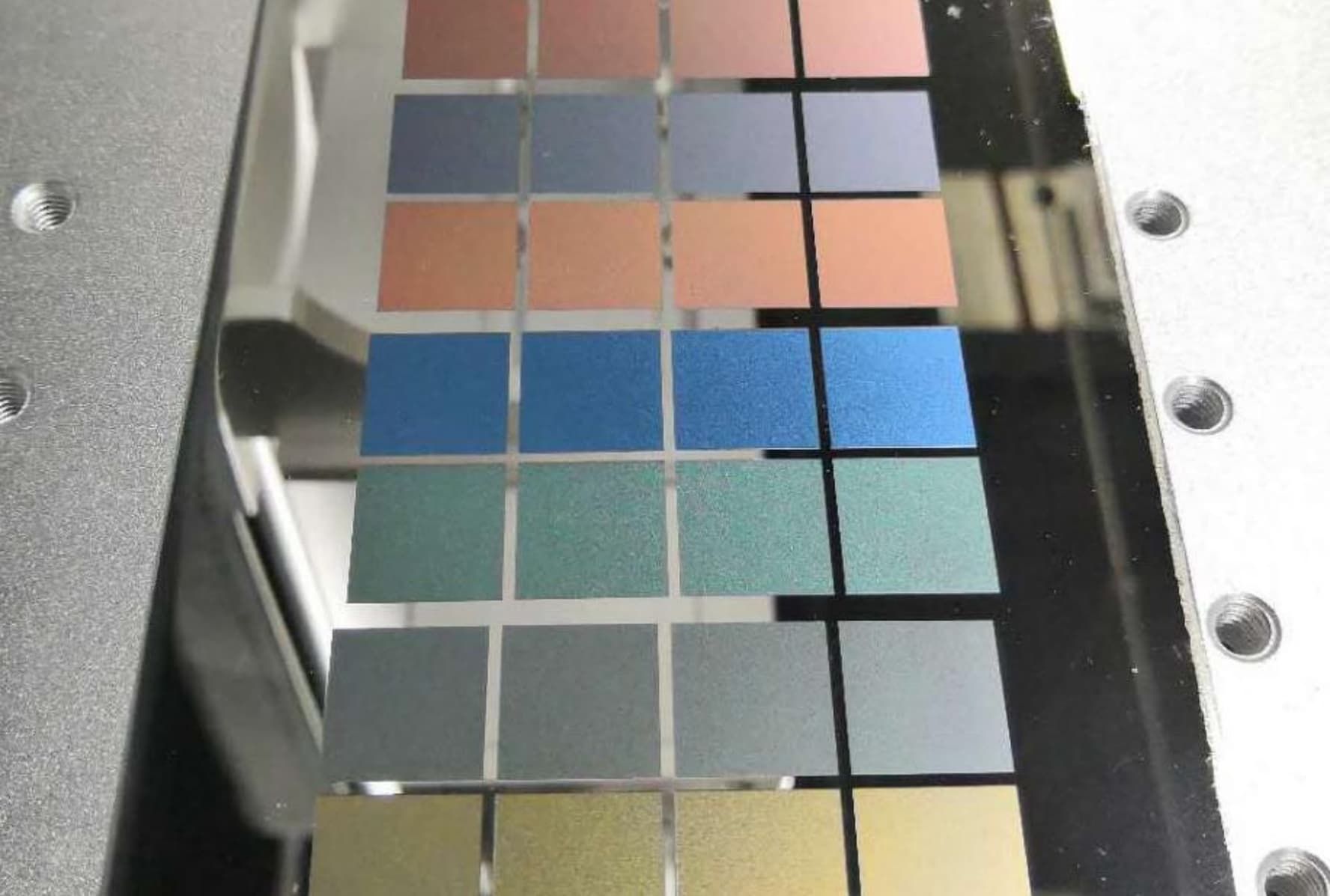
Základním principem laserového barvení nerezové oceli je využití laserové energie k vyvolání vzniku oxidové vrstvy určité tloušťky na povrchu kovu. Poté se díky přirozené barvě této oxidové vrstvy a optickým interferenčním účinkům zobrazuje řada různých barev. MOPA vláknový laser, který se běžně používá v experimentech, vyzařuje laserové světlo o vlnové délce 1064 nm. Při ozáření materiálů, jako je nerezová ocel 304, zvyšuje teplotu ozářené oblasti a spouští oxidační reakci s kyslíkem obsaženým ve vzduchu, čímž vzniká dvoufázová oxidová vrstva složená z oxidů chromu a železa.
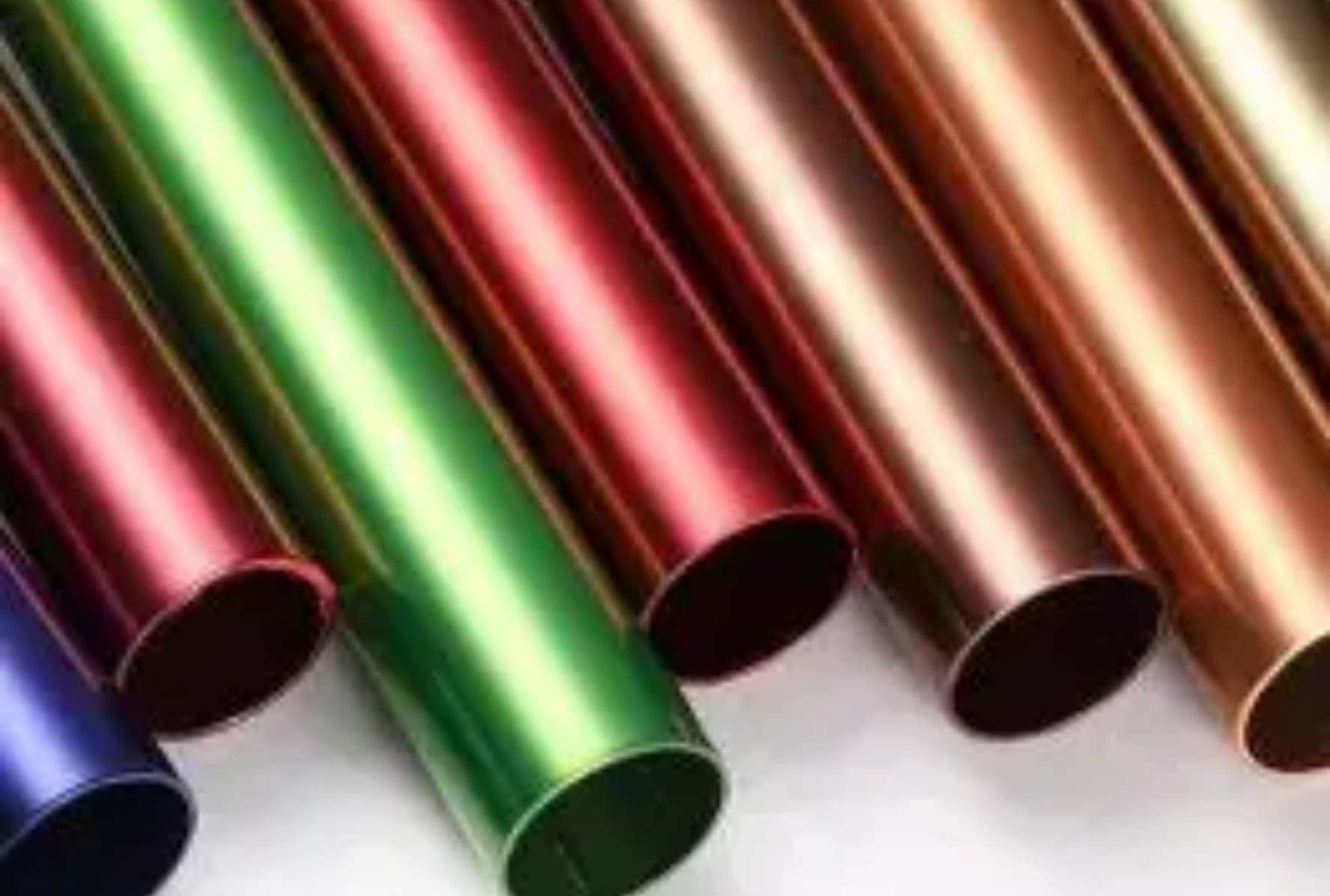
Tloušťka a povrchová morfologie oxidové vrstvy přímo určují konečnou barvu – oxidové vrstvy různé tloušťky mají různé účinky odrazu a lomu viditelného světla, čímž vykazují různé barvy, jako jsou modrá, fialová, růžová a žlutá. Například tenčí oxidová vrstva se může jevit fialově a s rostoucí tloušťkou se barva postupně mění na růžovou a žlutou. Ještě zajímavější je, že barevné zpracování pomocí laseru nevyžaduje složité zařízení. Prostřednictvím galvanometrického skenování a zaostření pomocí objektivu F-theta lze přesně řídit vytváření oxidové vrstvy na povrchu nerezové oceli, což umožňuje flexibilní aplikace od lokálního značení až po barevné zpracování rozsáhlých ploch.
Rozluštění klíčových parametrů: proporcionální řízení určuje barevnou konzistenci
Klíčovou výzvou laserového barvení nerezové oceli je dosažení přesné reprodukce požadovaných barev prostřednictvím úpravy parametrů. Mezi klíčové parametry ovlivňující barvu patří výkon laseru, rychlost skenování a opakovací frekvence. Tyto tři parametry nepůsobí nezávisle, ale určují efekt barvení prostřednictvím pevně daného poměrového vztahu. Výzkum ukázal, že pokud tyto tři parametry zachovají stejný poměrový koeficient (tzv. koeficient laserového působení), lze na povrchu nerezové oceli vygenerovat extrémně podobné barvy a oxidové vrstvy, i když konkrétní hodnoty jednotlivých parametrů se liší.
Například výkon laseru 20 W, rychlost skenování 100 mm/s a opakovací frekvence 200 kHz vyprodukuje stejnou barvu jako výkon 30 W, rychlost skenování 150 mm/s a opakovací frekvence 300 kHz díky konzistentnímu poměru. Současně parametry, jako je šířka pulzu a ohnisková vzdálenost, také ovlivňují kvalitu oxidové vrstvy: pokud je šířka pulzu pevně nastavena na 4 ns a ohnisková vzdálenost na 210 mm, lze průměr světelného bodu stabilizovat na 50 μm, čímž se dosáhne rovnoměrnějšího barevného zbarvení. Toto pravidlo úměrnosti parametrů řeší problém obtížné reprodukce barev při tradičním barevném zpracování a poskytuje spolehlivé parametrické pokyny pro sériovou výrobu.
Technické výhody: Dvojnásobný průlom v oblasti ochrany životního prostředí a praktičnosti
Ve srovnání s tradičními procesy barvení má laserové barvení nerezové oceli zřetelné výhody. Za prvé je ekologicky šetrné. Celý proces nepotřebuje žádné chemické činidla ani inkoust, ale využívá pouze oxidační reakci mezi laserem a vzduchem, přičemž nevzniká žádný odpadní vodní tok ani odpadní usazeniny a plní požadavky na ochranu životního prostředí. Za druhé jsou barvy stabilní a trvanlivé. Vytvořená oxidová vrstva je pevně spojena se základním materiálem z nerezové oceli, vykazuje vysokou odolnost proti opotřebení i proti vyblednutí a dokáže vydržet složité provozní podmínky, jako jsou například venkovní provoz nebo vysoké teploty. Za třetí je proces přesný a flexibilní. Laserová stopa je malá a vysoce řiditelná, což umožňuje jak jemné označování textu a vzorů, tak rovnoměrné barvení velkých ploch a přizpůsobuje se nerezovým výrobkům různých rozměrů.
Kromě toho má laserové barvení vlastnosti jednoduchého technologického postupu a žádné ztráty spotřebních materiálů, čímž lze snížit výrobní náklady. Například při sledovatelnosti výrobků lze k označení barevných QR kódů na nerezových dílech použít laserové barvení, které je nejen jasné a snadno rozpoznatelné, ale také méně náchylné k opotřebení než tištěná označení. V dekorativní oblasti umožňuje vytvářet přechodové barvy a složité vzory na nerezových plechových deskách, čímž zvyšuje estetickou hodnotu výrobků. Tyto výhody způsobily, že se tato technologie stala populární v odvětvích jako výroba hardware produktů, lékařská zařízení a architektonická výzdoba.
Aplikace a vývoj: Diverzifikované rozšíření od označování po kreativní řešení
Uplatnění technologie laserového barevného značení nerezové oceli se neustále rozšiřuje. V průmyslové výrobě lze tuto technologii použít pro značení značkových logotypů a specifikačních parametrů nerezových výrobků, kde barevné značení zároveň upoutává pozornost a poskytuje ochranu proti padělům. V oblasti dekorativního designu umožňuje dodat nerezovým dveřím, oknům, nábytku a uměleckým dílům personalizované barvy a tak překonat jednotvárný povrch tradiční nerezové oceli. V oblasti vysokorychlostní výroby, například u lékařských přístrojů a leteckých a kosmických komponentů, lze barevné značení využít ke klasifikaci dílů a zajištění jejich stopovatelnosti, čímž se zvyšuje efektivita řízení výroby.
 EN
EN
 AR
AR CS
CS NL
NL FR
FR DE
DE IT
IT JA
JA KO
KO PL
PL PT
PT RU
RU ES
ES UK
UK TH
TH TR
TR