В таких областях, как промышленное производство, охрана культурных ценностей и восстановительное производство оборудования, загрязнения на металлических поверхностях — например, ржавчина, окалина и масляные пятна — напрямую влияют на качество продукции и срок её службы. Традиционные методы очистки, такие как механическое шлифование и химическая очистка, характеризуются низкой эффективностью, загрязнением окружающей среды и высоким риском повреждения основного материала. Технология лазерной очистки металлических поверхностей, обладающая преимуществами бесконтактной обработки, экологичности, высокой эффективности и точности, стала популярным направлением применения в лазерной отрасли. Она обеспечивает быстрое удаление загрязнений за счёт физических и химических взаимодействий между лазерной энергией и загрязняющими веществами без повреждения металлической основы и при соблюдении высоких требований к чистоте, предоставляя новое решение для обработки металлических поверхностей.
Принцип лазерной очистки: энергозависимая «технология удаления загрязнений»
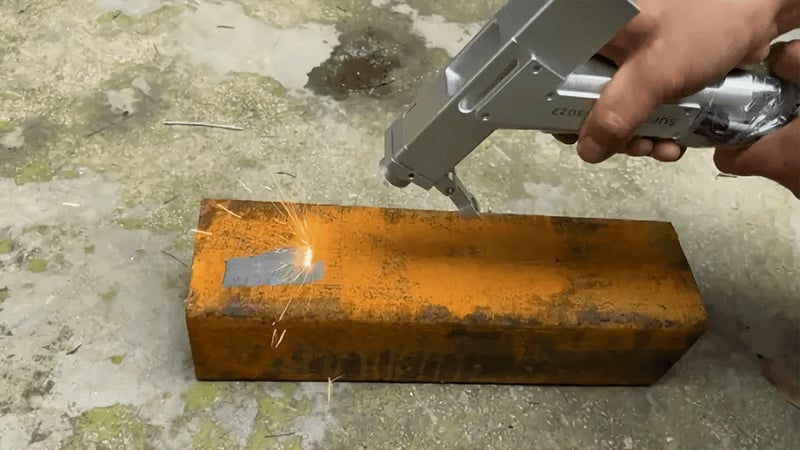
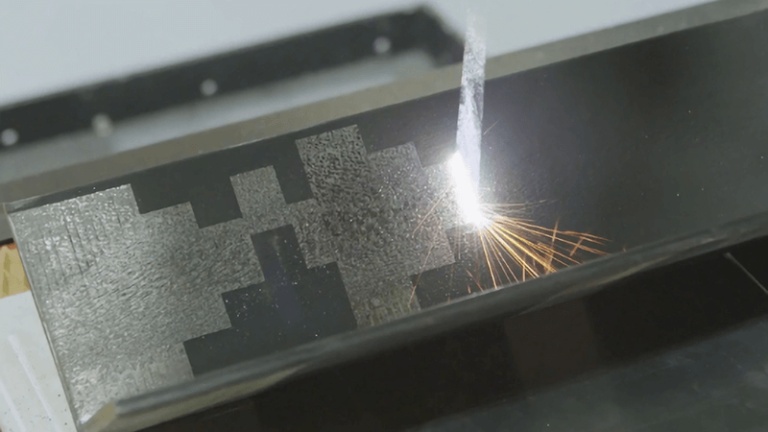
Основной принцип лазерной очистки металлических поверхностей заключается в использовании высокой энергии лазера для разрушения сил сцепления между загрязнениями и металлической поверхностью посредством физических и химических эффектов, таких как тепловое воздействие и ударно-волновое воздействие, что обеспечивает отслаивание загрязнений от подложки. При облучении металлической поверхности лазером загрязнения поглощают лазерную энергию, мгновенно достигают температуры плавления или испарения и отделяются от подложки вследствие расширения, горения и разложения; интенсивная ударная волна, генерируемая импульсными лазерами, вызывает высокочастотные колебания загрязнений, дополнительно ускоряя их удаление. Благодаря высокой отражательной способности металлических подложек по отношению к лазерному излучению после очистки повреждения отсутствуют, что обеспечивает «безразрушающую очистку».
Лазерная очистка в основном делится на сухую и влажную очистку. Сухая очистка напрямую воздействует на загрязнения за счет лазерного излучения, отличается простотой выполнения и отсутствием вторичного загрязнения, подходит для очистки большинства металлических поверхностей; при влажной очистке на металлическую поверхность предварительно наносится жидкая среда перед лазерным облучением, что повышает эффективность очистки и делает её пригодной для металлов с сильным загрязнением или особыми материалами. Кроме того, в особых рабочих условиях можно комбинировать инертные газы или специальные химические реагенты для дальнейшей оптимизации эффекта очистки и расширения области применения.
Ключевые преимущества: почему следует заменить традиционные технологии очистки?
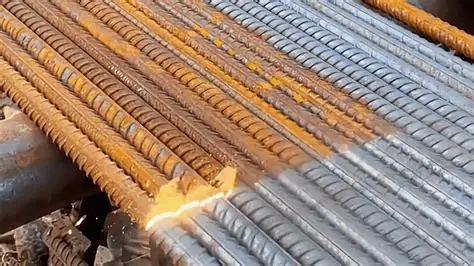
По сравнению с традиционными методами очистки лазерная очистка металлических поверхностей обладает существенными преимуществами. Во-первых, она экологически безопасна: весь процесс не требует химических реагентов или абразивных материалов, не образует сточных вод и отходов, а очистка достигается исключительно за счёт взаимодействия лазерного излучения с загрязнениями, что соответствует экологическим требованиям современной промышленности. Во-вторых, она является бесконтактной и высокоэффективной: лазерное воздействие не наносит механического ущерба металлической подложке, а высокая скорость очистки позволяет быстро удалять загрязнения размером в микрометры и субмикрометры; её эффективность значительно превосходит ручную шлифовку и химическую очистку. В-третьих, она отличается высокой точностью и управляемостью: путём регулировки параметров, таких как мощность лазера и частота импульсов, можно адаптировать процесс под различные металлические материалы и типы загрязнений — от тонких пятен на прецизионных компонентах до толстых слоёв ржавчины на крупногабаритном оборудовании.
На практике эти преимущества особенно выражены. Например, пленка нитрида титана на поверхности лопаток турбин двигателей трудно удаляется традиционными методами и при этом легко повреждает лопатки, тогда как волоконный лазер мощностью 10 Вт способен эффективно очистить её; загрязнения в мелких отверстиях фильтров в химической и фармацевтической промышленности требуют высоких затрат при традиционной очистке и дают слабый эффект, тогда как импульсная лазерная очистка позволяет выполнить очистку по низкой стоимости и без повреждений. Кроме того, лазерная очистка обеспечивает автоматизированную работу, адаптируясь к требованиям высокой эффективности промышленных производственных линий и снижая трудозатраты.
Сферы применения: многопрофильное охватывание — от промышленного производства до охраны культурного наследия
Сфера применения лазерной очистки металлических поверхностей постоянно расширяется и охватывает такие области, как промышленное производство, охрана культурного наследия и повторное изготовление оборудования. В промышленном производстве лазерная очистка используется для удаления ржавчины, обезжиривания и удаления окалины с металлических компонентов, создавая надёжную основу для последующих операций, таких как сварка и нанесение покрытий; в сфере повторного изготовления оборудования она позволяет восстановить поверхность отработанного металлического оборудования, вернуть ему эксплуатационные характеристики и обеспечить повторное использование ресурсов; в области охраны культурного наследия, направленной на удаление ржавчины и загрязнений с металлических артефактов, бесконтактный характер лазерной очистки позволяет избежать повреждения структуры памятника, обеспечивая «безразрушительную очистку и реставрацию».
Кроме того, лазерная очистка также подходит для специальных сценариев, таких как прецизионная очистка металлических изделий в микроэлектронной промышленности и дезактивация поверхностей оборудования атомных электростанций. Например, при охране металлических культурных ценностей лазеры могут точно удалять поверхностную ржавчину без перемещения самих ценностей, сохраняя их первоначальную структуру; при очистке фильтров лазерная технология эффективно удаляет загрязнения из мелких отверстий, не повреждая материал фильтра, что значительно снижает затраты на очистку.
Технологические обновления: инновационные решения для устранения проблемных зон
Для дальнейшего повышения эффективности очистки и расширения сферы применения технология лазерной очистки металлических поверхностей постоянно совершенствуется и оптимизируется. С целью предотвращения вторичного загрязнения, вызванного рассеиванием частиц загрязнителей в процессе очистки, на металлическую поверхность может быть нанесена прозрачная плёнка, к которой будут прилипать удалённые загрязнители, обеспечивая изоляцию между очищенной и загрязнённой зонами — особенно это актуально при очистке в особых условиях, например, оборудования атомных электростанций.
В то же время оптимизация метода падения лазерного излучения также позволяет повысить эффективность очистки. Замена традиционного вертикального падения на наклонное позволяет термоупругому напряжению, возникающему под действием лазерного излучения, непосредственно воздействовать на поверхность контакта между загрязнениями и металлом, ускоряя удаление загрязнений; при этом площадь облучения примерно в 10 раз превышает площадь при вертикальном падении, что дополнительно повышает скорость очистки. Кроме того, точная настройка таких параметров, как плотность лазерной мощности и длительность импульса, позволяет избежать теплового воздействия на металлическую основу. Например, при очистке ржавчины со стальной пластины контроль плотности импульсной лазерной мощности на уровне 180 МВт/м² позволяет заменить эффект термического напряжения эффектом испарения, обеспечивая бесконтактную (ненарушающую целостность) очистку.
 EN
EN
 AR
AR CS
CS NL
NL FR
FR DE
DE IT
IT JA
JA KO
KO PL
PL PT
PT RU
RU ES
ES UK
UK TH
TH TR
TR