 EN
EN
 AR
AR CS
CS NL
NL FR
FR DE
DE IT
IT JA
JA KO
KO PL
PL PT
PT RU
RU ES
ES UK
UK TH
TH TR
TR
- Página Inicial
- Produtos
- Sobre Nós
- Vídeos
- Aplicação
- Novidades
- Central de Ajuda
- Entre em Contato

No ambiente marinho, os componentes das embarcações enfrentam desafios persistentes, como corrosão e desgaste durante todo o ano. Os métodos tradicionais de reparo ou provocam deformação excessiva ou têm espessura de reparo limitada, não atendendo aos requisitos operacionais de peças críticas. Th...
Entre em contato conosco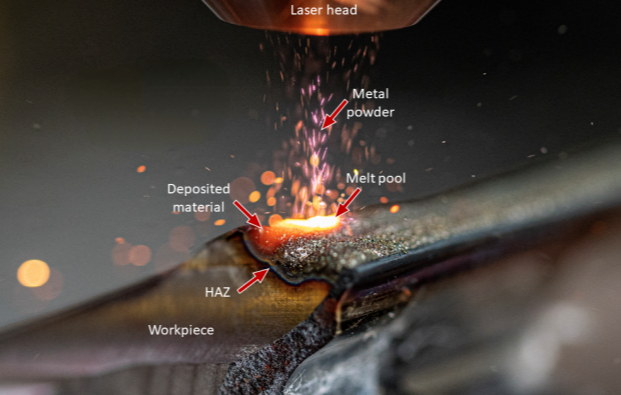
No ambiente marinho, os componentes das embarcações enfrentam desafios persistentes, como corrosão e desgaste durante todo o ano. Os métodos tradicionais de reparo resultam ou em deformação excessiva ou têm espessura de reparo limitada, não atendendo aos requisitos operacionais de peças críticas. O surgimento da tecnologia de revestimento a laser trouxe uma ruptura revolucionária para a construção e reparação de navios, estabelecendo-se como uma ferramenta poderosa para reparo eficiente e melhoria superficial.
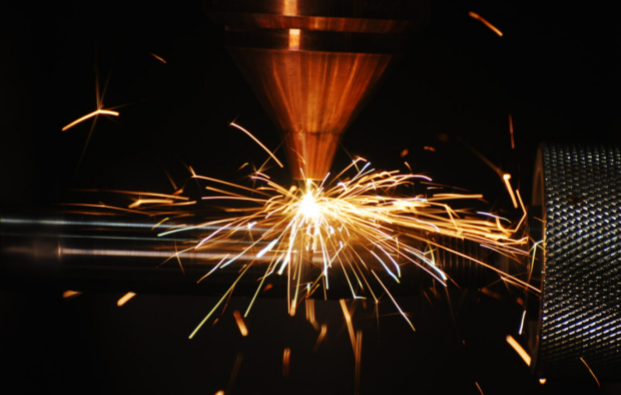
Cladding a Laser a tecnologia funde pó de liga utilizando um feixe a laser de alta energia, formando um revestimento reforçado na superfície da peça que alcança ligação metalúrgica com o substrato. Este processo oferece não apenas alta resistência de aderência, mas também mínima deformação térmica. O sistema compreende componentes principais, incluindo uma fonte de laser, dispositivo de alimentação de pó e sistema de refrigeração, e já evoluiu para um modo de processamento assistido por robô com precisão de até 0,005 mm, permitindo resposta precisa às necessidades complexas de reparo dos componentes navais.
A seleção de materiais de reparação é altamente flexível: os pós comuns à base de Ni e à base de Co destacam-se pela resistência ao desgaste e à corrosão, enquanto os pós à base de Fe oferecem vantagens significativas em termos de custo. Através de métodos de alimentação síncrona de pó ou de pó pré-colocado, revestimentos personalizados podem ser adaptados ao material e às condições operacionais das peças navais. Por exemplo, o revestimento com liga metálica com memória de forma à base de Fe em superfícies de virabrequins pode reduzir significativamente o desgaste e prolongar a vida útil em mais de 8 vezes.
Na construção e reparação de navios, esta tecnologia tem sido amplamente aplicada em componentes críticos, como camisas de cilindro de motores diesel, virabrequins e eixos cardãs. Tanto para reparar arranhões em anéis de carbono em camisas de cilindro de ferro fundido quanto para tratar corrosão nas superfícies de vedação de válvulas de aço-liga, o revestimento a laser oferece reparos precisos, com desempenho pós-reparo comparável ao de peças novas. Com o uso da tecnologia de simulação numérica, os parâmetros do processo podem ser otimizados previamente, reduzindo substancialmente o tempo e os custos de reparo.
No entanto, a tecnologia ainda enfrenta desafios: baixa eficiência de reparo em componentes grandes, insuficiente portabilidade dos equipamentos e dificuldade em controlar a precisão do reparo em certas peças críticas. No futuro, com o desenvolvimento de alta potência laser e equipamentos portáteis, aliados à melhoria dos padrões industriais, a deposição por feixe laser será mais amplamente aplicada na reparação naval in loco. Proporcionará um suporte mais forte para a melhoria da qualidade e do aumento da eficiência na indústria de construção naval, facilitando a reparação ecológica e a operação de longa duração.