
 EN
 AR
 CS
 NL
 FR
 DE
 IT
 JA
 KO
 PL
 PT
 RU
 ES
 UK
 TH
 TR

Understanding surface preparation standards before using a laser cleaning machine is crucial for optimizing performance and achieving desired results. For B2B buyers, including purchasing managers and engineers, knowledge about effective surface preparation methods ensures compatibility with laser cleaning technologies and minimizes operational issues. This article will guide you through selecting the right surface preparation method, addressing common problems, sourcing reliable materials, and highlighting the importance of proper surface preparation for laser applications
How to Choose the Right Surface Preparation Method for Laser Use
Selecting the appropriate surface preparation method is essential for maximizing the effectiveness of a Laser cleaning machine for rust removal. Key factors to consider include the type of contaminants present, the material substrate, and the specific application requirements. Common methods include mechanical cleaning, chemical cleaning, and abrasive blasting
Contaminant Type: Identify the nature of the contaminants—such as rust, paint, or grease, as this will dictate the most effective preparation method. For example, heavy rust may require abrasive blasting, while light grease can be effectively removed with chemical solvents
Material Substrate: Different materials respond differently to laser cleaning. For instance, metals like steel and aluminum can withstand more aggressive cleaning methods compared to softer materials like plastics or composites. Always consult your equipment specifications to ensure compatibility
Application Requirements: Consider the end use of the cleaned surface. If you are preparing a surface for welding or coating, the cleanliness and surface profile may need to meet specific industry standards. Discuss these requirements with your laser equipment supplier, such as DMK Laser, to ensure the chosen method aligns with your applications
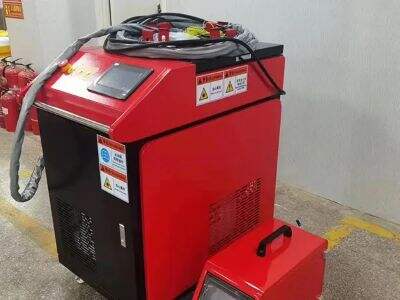
Common Problems in Surface Preparation for Laser Cleaning Solutions
Despite the advancements in laser cleaning technology, improper surface preparation can lead to various challenges. Common issues include inadequate contaminant removal, surface damage, and inconsistent cleaning results
Inadequate Contaminant Removal: If surfaces are not thoroughly cleaned prior to laser application, residues can interfere with the laser's effectiveness, leading to suboptimal results. It's crucial to implement thorough cleaning protocols and possibly conduct a test cleanup to verify effectiveness
Surface Damage: Some preparation methods can inadvertently damage the substrate, especially when using aggressive techniques like abrasive blasting. Always conduct preliminary tests on less critical areas to assess the impact of the chosen method
Inconsistent Results: Variability in surface preparation can lead to uneven laser cleaning results. Establish a standardized cleaning procedure and ensure that all personnel involved are trained on best practices to minimize discrepancies
Where to Source Reliable Materials for Surface Preparation Processes
Sourcing high-quality materials for surface preparation is vital. Reliable suppliers will provide products that meet industry standards and ensure compatibility with your cleaning methods
Direct Manufacturers: Partnering with manufacturers like DMK Laser, who specialize in laser cleaning equipment, can provide insights into the best materials and processes for your specific applications. They can recommend suitable cleaning agents, abrasives, or other materials based on your cleaning needs
Distributors: Consider established distributors who have a proven track record in the industry. They often carry a range of products that meet various surface preparation needs and can provide support in selecting the right materials
Industry Standards: Always check that the materials sourced comply with relevant industry standards. This not only guarantees quality but also enhances the effectiveness of the surface preparation process
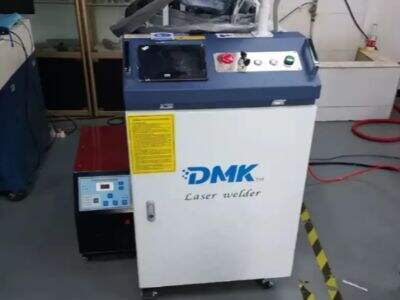
Importance of Proper Surface Preparation
Proper surface preparation is a critical step that significantly impacts the success of Fiber laser cleaning machine operations. Neglecting this process can lead to several complications, including compromised cleaning efficiency and increased operational costs
Enhanced Cleaning Efficiency: A well-prepared surface allows the laser to operate at peak efficiency, effectively removing contaminants without additional passes. This not only saves time but also reduces wear on the laser equipment, extending its operational lifespan
Cost-Effectiveness: Investing in adequate surface preparation can reduce overall costs associated with rework or the need for additional cleaning cycles. By ensuring surfaces are properly prepared, organizations can achieve cleaner results in a single pass, thereby optimizing resource allocation
Quality Assurance: Consistently prepared surfaces help maintain strict quality standards. This is particularly critical in industries such as automotive and aerospace, where surface integrity is vital for performance and safety
Comparing Surface Preparation Techniques for Optimal Laser Cleaning Results
When it comes to surface preparation techniques, understanding their strengths and weaknesses is essential for achieving optimal results with laser cleaning machines
Mechanical Cleaning: This method is effective for removing heavy contaminants but can cause surface scratches. It’s best suited for robust materials that can tolerate physical abrasion
Chemical Cleaning: Chemical agents can effectively dissolve contaminants but may require longer exposure times and proper handling to ensure safety. This method is ideal for delicate materials that cannot withstand mechanical abrasion
Abrasive Blasting: Although this technique offers thorough cleaning, it may alter the surface profile, which could impact subsequent processes such as welding or coating. It is best used when preparing surfaces that can handle the aggressive nature of blasting
Laser Cleaning: As a modern technique, laser cleaning can be used directly after surface preparation for final cleaning. It is efficient and minimizes surface damage, making it suitable for sensitive applications. However, it is essential to ensure that the preliminary preparation adequately addresses all contaminants beforehand
In summary, choosing the right surface preparation method is crucial for the effective operation of a Laser cleaning machine. By understanding the specifics of each technique, addressing common problems, sourcing quality materials, and recognizing the importance of thorough preparation, purchasing managers and engineers can make informed decisions that enhance their laser cleaning operations
Table of Contents
- How to Choose the Right Surface Preparation Method for Laser Use
- Common Problems in Surface Preparation for Laser Cleaning Solutions
- Where to Source Reliable Materials for Surface Preparation Processes
- Importance of Proper Surface Preparation
- Comparing Surface Preparation Techniques for Optimal Laser Cleaning Results