EN
EN
 AR
AR CS
CS NL
NL FR
FR DE
DE IT
IT JA
JA KO
KO PL
PL PT
PT RU
RU ES
ES UK
UK TH
TH TR
TR


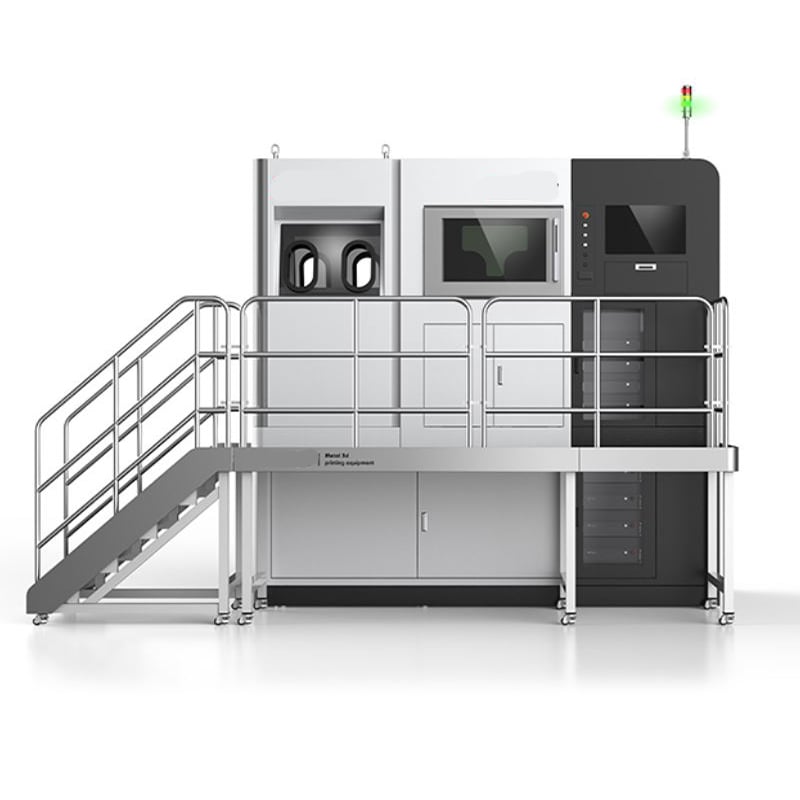
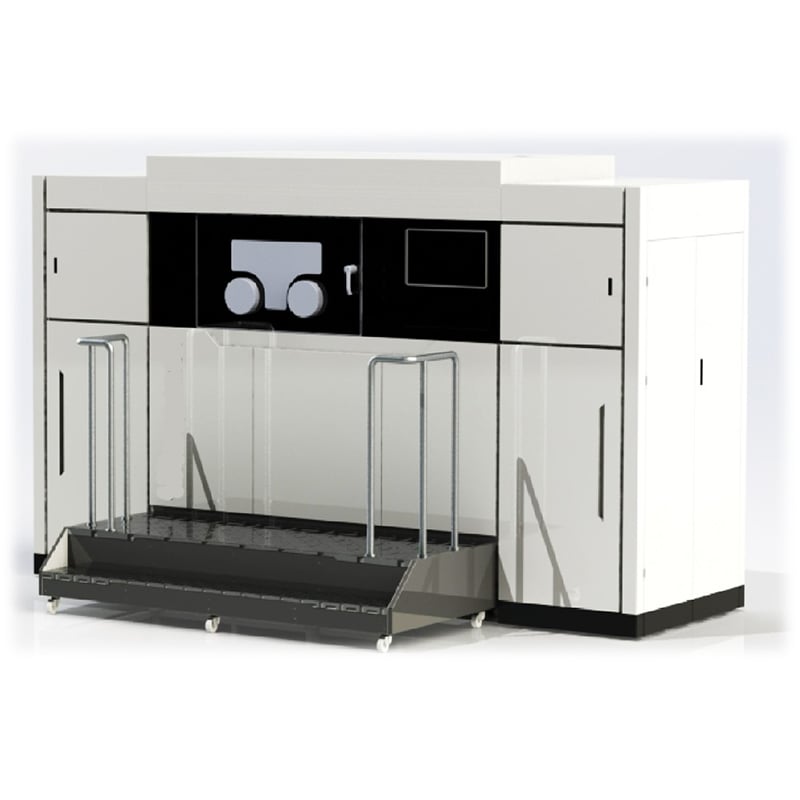
طابعة ثلاثية الأبعاد معدنية من نوع M300
الميزات الفنية
 |
 |
- نظام بصري عالي الأداء : مزودٌ بنظام ليزر ألياف بقدرة 500 واط مع تغذية راجعة مغلقة للطاقة. ويستخدم جالفنومتر مسح عالي السرعة مع تحكم شبكي مغلق الحلقة، مقترن بعدسة كوارتز من نوع F-θ وموسع شعاع قابل للضبط وتبريد مائي. ويصل أصغر حجم للبقعة إلى 80 ميكرومتر ±10 ميكرومتر، بينما تتراوح سرعة المسح بين 0 و7 أمتار/ثانية، مما يضمن جودة التشكيل للأجزاء ذات الجدران الرقيقة والميزات الدقيقة.
- نظام إعادة التغطية الذكي ثنائي الاتجاه المطوَّر داخليًّا يتميز بنظام تغطية ثنائي الاتجاه بشفاطة واحدة، يُدار بواسطة وحدتين خطيتين. ويمكن ضبط سماكة الطبقة بين ٢٠ و١٠٠ ميكرومتر، وسرعة التغطية بين ١٠ و٥٠٠ مم/ثانية. ويضم نظام حماية مدمجًا من التحميل الزائد الناتج عن اصطدام الشفاطة، يُفعِّل إنذارًا فوريًّا وإيقافًا طارئًا لحماية الشفاطة وسطح العمل.
- دائرة إغلاقية لحماية الغاز الخامل نظام دورة تنقية الأرجون المطوَّر ذاتيًّا، مع تصميم محسَّن لمجال تدفق جدار الهواء في الجانب الأيمن. ويتم مراقبة تركيز الأكسجين داخل الحجرة في الوقت الفعلي للحفاظ على محتواه عند أو دون ١٠٠٠ جزء في المليون. كما تُطبَّق مراقبة تركيز الأكسجين في الجو المحيط؛ ويُفعِّل الجهاز إنذارًا ويقطع التيار الكهربائي الرئيسي فور تجاوز الحد المسموح به، وذلك لاستبعاد المخاطر الناتجة عن تسرب الغاز الخامل.
- أسطوانة بناء مغلقة عالية السعة يستخدم المحور Z محركاً مؤازراً مع تحكم حلقي مغلق باستخدام مسطرة شبكية. وتدل دقة التموضع على ٠٫٠١ مم، وأدنى تغذية ممكنة هي ٠٫٠٠١ مم، وقدرة التحميل القصوى للمحور Z تساوي أو تفوق ٥٠٠ كجم. وتصل أقصى درجة حرارة لتسخين الركيزة مسبقاً إلى ٢٢٠ °م لتقليل التشققات في المواد عالية الإجهاد مثل التيتانيوم والسبائك ذات الحرارة العالية.
- نظام برمجي مستقل بالكامل برنامج تقطيع وبرنامج تحكم في الجهاز، طوّرته الشركة ذاتياً، يدعم استيراد ملفات STL، وتوليد الدعامات، وتخطيط مسارات المسح المتعددة الطرز، إضافةً إلى حِزم العمليات المُحقَّقة مسبقاً لمختلف المواد المعدنية. ويتيح هذا البرنامج استئناف الطباعة بعد الانقطاع، والمراقبة الفورية لمستوى الأكسجين وموقع الشفرة وحالة الجهاز، فضلاً عن التشخيص التلقائي للأعطال وإصدار الإنذارات. كما أن المعايير الأساسية للعملية مفتوحة بالكامل لتمكين البحث والتطوير في معاهد الأبحاث حول مواد جديدة.
- حماية أمان شاملة توجد قفلة أمان للباب المغلق لغرفة البناء وزر إيقاف الطوارئ، وتتوافق مع متطلبات السلامة الخاصة بالليزر من الفئة الرابعة. جميع المكونات جديدة تمامًا ومطابقة لمعايير غو بياو/تي الخاصة بالآلات وسلامة الليزر.
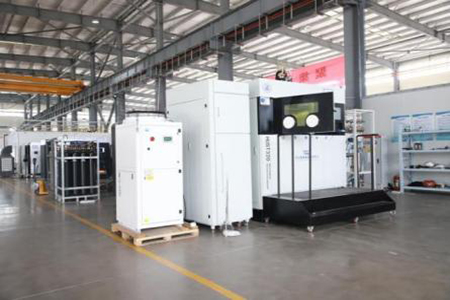
تكوين معدات إم-300
 |
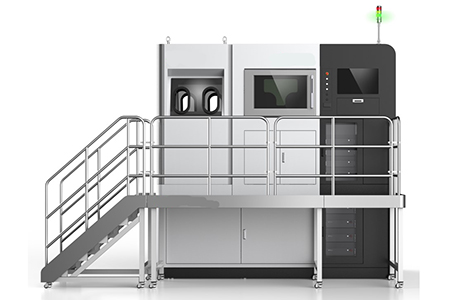 |
| نظام فرعي | المكونات الرئيسية | وصف التكوين |
|---|---|---|
| النظام البصري | نظام الليزر الليفي | ليزر ألياف بقدرة 500 واط مع تغذية راجعة مغلقة للطاقة |
| الغالفنوميتر الماسح | تحكم شبكي مغلق الحلقة مع مؤشر لحزمة الليزر الأحمر | |
| عدسة ثيتا-إف-ثيتا | عدسة تركيز كوارتز | |
| مضخّم الشعاع | مُوسّع شعاع كوارتز قابل للضبط ومُبرَّد بالماء | |
| نظام دارة الغاز | جهاز تحليل الأكسجين | مستشعر الأكسجين، مدى القياس: ١٠٠–١٠٠٠ جزء في المليون، مصدر طاقة تيار مستمر ٢٤ فولت |
| دارة غاز تنقية الغرفة | حل مطوَّر ذاتيًّا يستخدم استبدال الغاز الخامل وجدار هواء جانبي أيمن | |
| دائرة غاز الحماية الدائرية | حلقة تدوير الأرجون المطورة ذاتيًا | |
| وحدة تنقية الغاز | وحدة الترشيح المطورة ذاتيًا لإزالة الأبخرة والشوائب | |
| نظام التشكيل | وحدة تغذية وتخزين المسحوق | تصميم التغذية العلوية المطور ذاتيًا، سعة ٢٠ لترًا، وتنبيه وإيقاف تلقائي عند انخفاض مستوى المسحوق |
| نظام إعادة التغطية ثنائي الاتجاه | نظام إعادة التغطية ثنائي الاتجاه ذو الشفرة الواحدة المطور ذاتيًا مع إنذار حماية من الحمل الزائد | |
| غرفة البناء المغلقة | هيكل من الفولاذ المقاوم للصدأ أو سبائك الألومنيوم عالية القوة، وقفل باب السلامة، وإضاءة داخلية بواسطة مصابيح LED | |
| مجموعة اسطوانة البناء | محرك حلقي مغلق يعتمد على المحرك الكهربائي والمسطرة الشبكية؛ أقصى درجة حرارة تسخين أولي للركيزة ٢٢٠ °م | |
| إطار عالي الصلادة | هيكل رئيسي عالي الصلادة مع غلاف واقٍ مغلق بالكامل | |
| برنامج التحكم | برنامج معالجة البيانات | تم تطويره داخليًّا، يدعم إدخال ملفات STL، واستراتيجيات تعبئة متعددة، وحزم عمليات مواد مُحمَّلة مسبقًا |
| برنامج تحكم في الجهاز | واجهة مستخدم باللغة الصينية؛ تدعم استئناف الطباعة، والمراقبة الفورية، وتشخيص الأعطال والإشعارات التحذيرية | |
| المعدات المساعدة | مبردات المياه | وحدة تبريد مائية متخصصة لتبريد الليزر |
| مكنسة كهربائية فراغية مقاومة للانفجارات | لتنظيف الغرفة وسطح المسحوق | |
| منخل اهتزازي للمسحوق | للفحص الأولي لمسحوق المعادن المعاد تدويره | |
| فرن تجفيف تحت الفراغ | لإزالة الرطوبة من مسحوق المعادن | |
| جهاز الرش بالرمل | لتشطيب سطح الأجزاء المطبوعة |
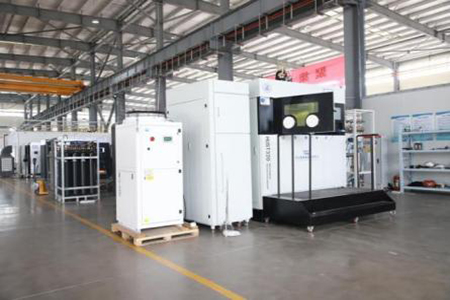
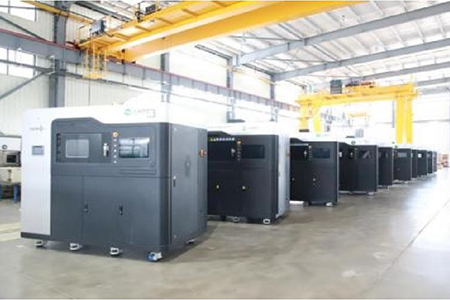
مواصفات أداء M300
 |
 |
| عنصر | المواصفات |
|---|---|
| الطراز | ليزر DMK M300 |
| العملية | الانصهار الليزري الانتقائي (SLM) |
| أقصى حجم للبناء | ٣٠٠ مم × ٣٠٠ مم × ٤٥٠ مم (بما في ذلك القاعدة) |
| الدقة البُعدية | ≤١٠٠ مم: ±٠٫١ مم؛ >١٠٠ مم: ±٠٫١٪ × L |
| سماكة الطبقة | قابل للضبط بين ٢٠ و١٠٠ ميكرومتر |
| قوة الليزر | ٥٠٠ واط، ومعدل الإخراج قابل للضبط بين ١٠٪ و١٠٠٪ |
| سرعة المسح | ٠–٧ أمتار/ثانية |
| الحد الأدنى لقطر البقعة | ٨٠ ميكرومتر ± ١٠ ميكرومتر |
| التحكم في مستوى الأكسجين | ≤ ١٠٠٠ جزء في المليون |
| درجة حرارة تسخين الركيزة مقدماً | أقصى درجة حرارة ٢٢٠ °م |
| دقة تحديد الموضع على محور الزِّي | ٠٫٠١ مم، وأدنى تغذية ٠٫٠٠١ مم |
| السعة التحميلية على محور الزِّي | ≥٥٠٠ كجم |
| المواد المتوافقة | الصلب المقاوم للصدأ، وسبائك درجات الحرارة العالية، وسبائك التيتانيوم، ومساحيق المعادن الرئيسية الأخرى (ما عدا سبائك المغنيسيوم) |
| إجمالي استهلاك الطاقة | حوالي ١٠ كيلوواط |
| مصدر الطاقة | تيار متناوب ٣٨٠ فولت ± ٥٪، نظام ثلاثي الطور وخمسة أسلاك |
| درجة حرارة البيئة المحيطة | (٢٣ ± ٥) °م |
| الرطوبة النسبية | ≤ 75% RH |
| وزن الآلة | حوالي ٢٫٦ طن (بدون مسحوق) |
| الارتفاع الكلي | حوالي ٣٫٣ متر بما في ذلك خزان المسحوق |
| مساحة الأرضية | ٨٫٧ متر × ٥٫٢ متر (مع وحدات المساعدة ومساحة فتح الباب ومساحة التشغيل) |
| تنسيق بيانات الاستيراد | STL |
مجالات التطبيق
 |
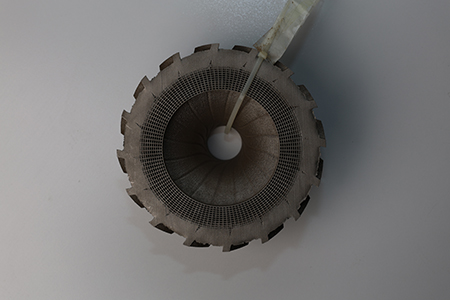 |
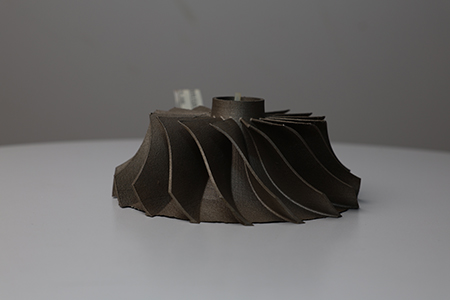
- الفضاء تشغيل نموذج أولي تجريبي وإنتاج دفعات صغيرة من المكونات الخفيفة والمعقدة، والهياكل الشبكية، والأجزاء ذات قنوات التبريد المتوافقة المصنوعة من التيتانيوم وسبائك درجات الحرارة العالية.
- تصنيع القالب إدخالات التبريد المتوافقة لقوالب الحقن والصب الدقيق، لتحسين تبديد الحرارة، وتقصير دورات التشكيل، وزيادة عمر القوالب الافتراضي.
- البحث العلمي والتعليم : تطوير عمليات المواد الجديدة وتدريب الجامعات ومعاهد الأبحاث على التصنيع الإضافي. وتدعم المعايير المفتوحة الاختبارات المتعامدة والتحقق من طباعة المواد الجديدة.
- صناعة السيارات : التطوير السريع والإنتاج التجريبي لمكونات المحركات والهياكل خفيفة الوزن وتجهيزات الأدوات المخصصة.
- الطاقة والقوة : البحث والتطوير في مبادلات الحرارة وأجزاء توربينات الغاز ذات درجات الحرارة العالية والمكونات الوظيفية الشبكية المتكاملة لتبديد الحرارة.
- الأجهزة الطبية : تطوير النماذج الوظيفية المعدنية، بما في ذلك هياكل السبائك الطبية والمكونات المساعدة الجراحية.